Tokyo in spring is a spectacle unlike any other. The city, usually a symphony of bustling activity, transforms into a delicate canvas painted with ephemeral shades of pink and white as cherry blossoms, or *sakura*, burst into bloom. For many, experiencing Tokyo’s sakura season is a dream come true, a pilgrimage to witness nature’s fleeting beauty. However, the sheer popularity of this phenomenon means that iconic spots like Ueno Park or Meguro River can become incredibly crowded, transforming a serene experience into a shoulder-to-shoulder shuffle.
But what if you yearn for a different kind of sakura viewing? One where you can truly immerse yourself in the quiet contemplation of nature’s artistry, where the only sounds are the gentle rustle of leaves and perhaps a distant bird’s song? Fear not, intrepid traveler. Tokyo, with its myriad hidden corners and expansive green spaces, offers a wealth of serene sanctuaries where you can find your perfect, peaceful cherry blossom moment. Escape the throngs and discover the tranquil beauty that awaits.
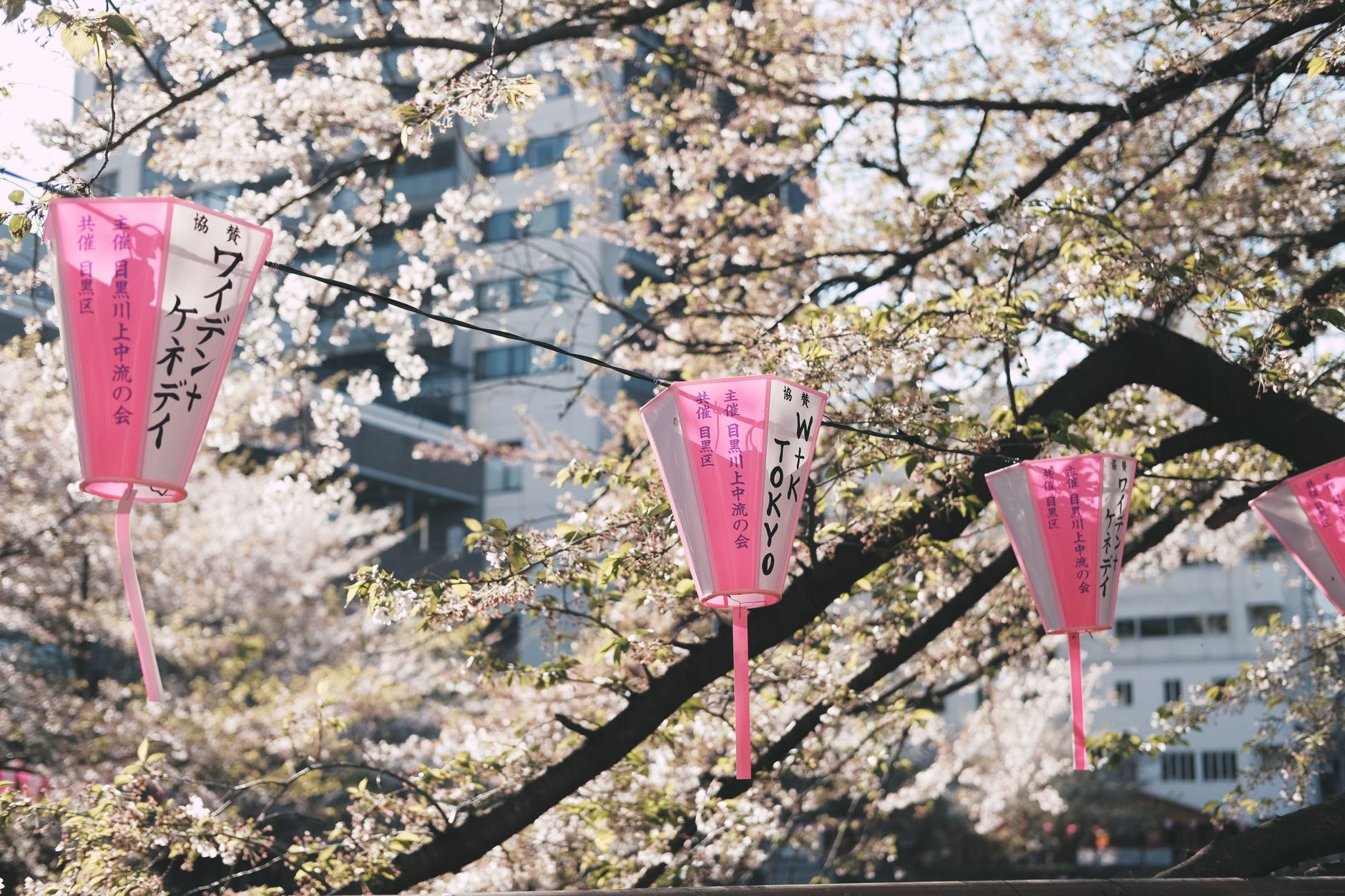
This guide is for those who seek solace amidst the blooms, for the photographers hoping for an unobstructed shot, and for anyone who simply wishes to enjoy the *hanami* (flower viewing) tradition in a more intimate setting. We’ll delve into Tokyo’s lesser-known havens and strategic approaches to experiencing popular spots with fewer crowds, ensuring your cherry blossom journey is as peaceful as it is picturesque.
**Shinjuku Gyoen National Garden: A Spacious Escape (with a Strategy)**
While Shinjuku Gyoen is far from a “hidden” gem, its immense size and paid entry fee (a small price for serenity!) naturally disperse crowds, making it one of the best places to find quiet corners, especially during peak season. Spanning 144 acres, this garden boasts three distinct styles – a traditional Japanese landscape garden, a French formal garden, and an English landscape garden – each offering unique perspectives on the cherry blossoms.
To truly experience Shinjuku Gyoen in tranquility, the secret is timing and exploration. Arrive right at opening time (usually 9:00 AM) to enjoy the blooms with only a handful of early birds. Head towards the Japanese Traditional Garden, particularly around the teahouse and pond, for classic, picturesque views that feel miles away from the urban sprawl. The expansive lawns of the English Landscape Garden are perfect for a quiet picnic beneath blooming trees, a chance to truly spread out and relax. With over 1,000 cherry trees of various species, including early and late bloomers, Shinjuku Gyoen offers a prolonged viewing season, increasing your chances of finding pristine blossoms even outside the main peak.
*Traveler’s Tip:* Consider bringing your own bento box and a picnic blanket. There are cafes within the park, but enjoying your own curated meal under a sakura tree elevates the experience. For easy access, the garden is a short walk from Shinjuku-gyoemmae Station (Marunouchi Line) or Shinjuku-sanchome Station (Fukutoshin and Shinjuku Lines). A Tokyo Metro Pass can be incredibly useful for navigating the city’s extensive subway system to reach spots like this effortlessly.
**Yanaka Cemetery & Tennoji Temple: History and Hana Together**
For a deeply atmospheric and uniquely Japanese sakura experience, head to the historic Yanaka district. Tucked away from the skyscrapers and neon signs, Yanaka feels like a step back in time. Yanaka Cemetery, one of Tokyo’s largest, is not merely a burial ground but a serene park lined with hundreds of cherry trees. Here, the blossoms cast a poignant and ethereal glow over ancient gravestones and winding pathways, creating a profoundly peaceful atmosphere.
Walking through the cemetery, you’ll find quiet contemplation among the sakura, far removed from tourist throngs. The main pathway through the cemetery, known as Sakura-dori, becomes a breathtaking tunnel of blossoms. Adjacent to the cemetery is Tennoji Temple, home to a beautiful bronze Buddha statue and a smaller, more intimate collection of cherry trees. The combination of history, solemnity, and natural beauty makes this a truly unique and quiet spot for *hanami*. The surrounding Yanaka Ginza shopping street offers a charming glimpse into old Tokyo, with traditional shops and street food vendors, perfect for a post-viewing snack.
*Traveler’s Tip:* This area is best explored on foot. Wear comfortable shoes and allow yourself time to wander. You might want to consider booking a stay at a traditional ryokan or a charming boutique hotel in a nearby area like Ueno or Nippori to fully immerse yourself in the local charm and have easy access to these quiet havens for early morning visits.
**Koishikawa Korakuen Garden: Edo-Era Tranquility**
One of Tokyo’s oldest and most beautiful traditional Japanese gardens, Koishikawa Korakuen offers a sophisticated and tranquil cherry blossom viewing experience. Designed during the early Edo Period, the garden incorporates elements of both Chinese and Japanese landscape aesthetics, featuring meticulously sculpted ponds, hills, stones, and pathways. While not as vast as Shinjuku Gyoen, its historical significance and elegant design draw a respectful crowd, but rarely feels overwhelmingly busy.
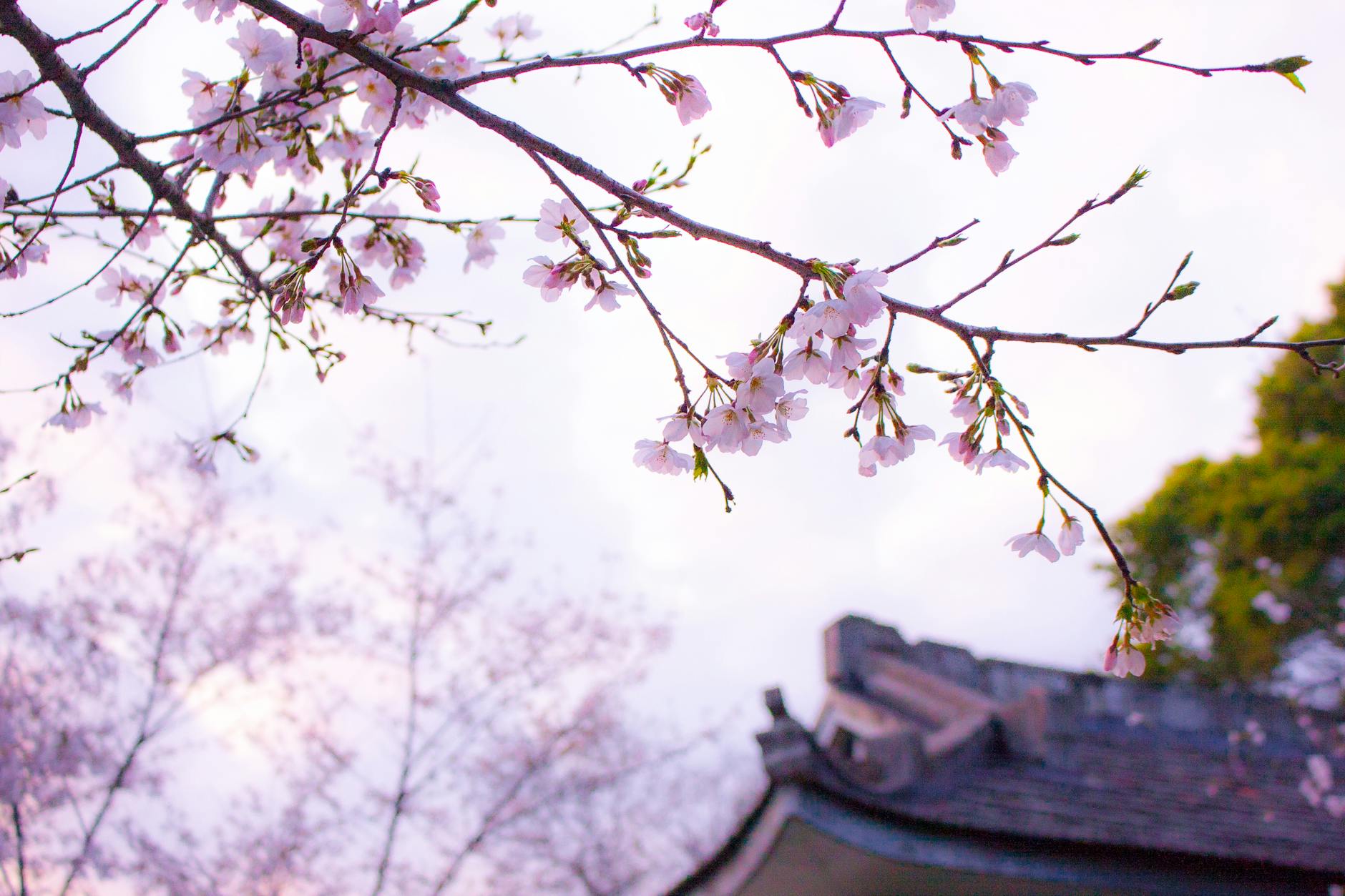
The garden boasts several weeping cherry trees (*shidarezakura*) that are particularly stunning when in full bloom, especially around the serene bridges and meticulously maintained pathways. The reflection of the delicate pink blossoms in the garden’s large central pond, Oigawa Pond, is a sight to behold and offers fantastic photo opportunities without the jostle of crowds. Because it’s a designated Special Place of Scenic Beauty and Special Historic Site, the garden is impeccably maintained, providing a pristine backdrop for your sakura appreciation. It’s a perfect spot for those seeking an elegant and peaceful escape into classical Japanese beauty.
*Traveler’s Tip:* Koishikawa Korakuen is conveniently located near the Tokyo Dome City entertainment complex, but feels worlds away. It’s easily accessible from Iidabashi Station (JR Chuo Line, Tokyo Metro Tozai, Yurakucho, and Namboku Lines, Toei Oedo Line) or Korakuen Station (Tokyo Metro Marunouchi and Namboku Lines). Consider purchasing a guide book to Japanese gardens beforehand to fully appreciate the intricate design principles at play here.
**Asukayama Park: A Local Favorite with Panoramic Views**
Located in Kita Ward, Asukayama Park holds a special place in Tokyo’s *hanami* history, being one of Japan’s oldest public parks for cherry blossom viewing, dating back to the Edo period. While popular with local families, especially on weekends, it’s often overlooked by international tourists, making it a wonderful spot for a more authentic and quieter experience during weekdays or early mornings.
The park is situated on a small hill, offering excellent panoramic views of the city skyline framed by thousands of cherry trees. With around 600 sakura trees, including Somei Yoshino and Satozakura varieties, it transforms into a stunning floral wonderland. Unique to Asukayama are its “Asuka Park Monorail” (also known as the “Asukayama Park Car”), a short, free, sloped elevator that offers a fun ride up the hill, and its three decommissioned train cars (a steam locomotive, a streetcar, and a tram) that serve as popular play areas for children. Finding a quiet spot on the upper slopes or even amongst the lower trees is usually easy. It’s a fantastic place to enjoy the blooms like a local, with ample space for picnics and leisurely strolls.
*Traveler’s Tip:* Take the JR Keihin-Tohoku Line to Oji Station; the park is right outside the south exit. This park is great for families looking for a relaxed setting. Pack some local snacks and drinks from a nearby convenience store or supermarket for a truly authentic *hanami* picnic experience.
**Kinuta Park: The Spacious Suburban Sanctuary**
For those willing to venture a little further afield into Setagaya Ward, Kinuta Park offers an expansive and truly peaceful cherry blossom experience. This large suburban park, built on the former grounds of a golf course, is a favorite among local residents but remains largely off the main tourist radar. Its sheer size – over 97 acres – ensures plenty of space for everyone, even on sunny spring days.
Kinuta Park features vast open lawns, wooded areas, a bird sanctuary, and a cycling course, all dotted with hundreds of cherry trees. The main cherry blossom viewing area is particularly beautiful, with trees lining wide pathways and open grassy fields perfect for spreading out a blanket. The atmosphere here is one of genuine local relaxation; you’ll see families playing, couples strolling, and individuals enjoying the quiet solitude. It’s the perfect antidote to the bustling city, offering a tranquil environment to simply sit back, breathe in the fresh air, and admire the delicate blossoms.
*Traveler’s Tip:* Access Kinuta Park via Futako-Tamagawa Station (Tokyu Den-en-toshi Line or Tokyu Oimachi Line), then a short bus ride or a pleasant 20-minute walk. If you’re staying in a hotel that offers bicycle rentals, cycling to Kinuta Park could be a delightful way to explore the residential areas of Tokyo and arrive at this serene park.
**Aoyama Cemetery: A Poignant Canvas of Pink**
Another surprisingly beautiful and quiet cherry blossom spot is Aoyama Cemetery, one of Tokyo’s most distinguished public cemeteries. Similar to Yanaka, the combination of ancient gravestones, historical figures’ resting places, and hundreds of blossoming cherry trees creates a uniquely contemplative atmosphere. While perhaps not for everyone, those seeking a truly serene and reflective experience will find it here.
The main avenue of the cemetery, especially around the Foreign Section, transforms into a stunning tunnel of cherry blossoms, offering long, unobstructed views perfect for photography. The soft pink petals falling onto the pathways and stones create a poignant scene that encourages quiet reverence. It’s a place where the ephemeral beauty of life and nature is beautifully juxtaposed with the permanence of history. On weekdays, you can often find yourself walking for long stretches with only the sound of your own footsteps and the gentle whisper of the wind through the trees.
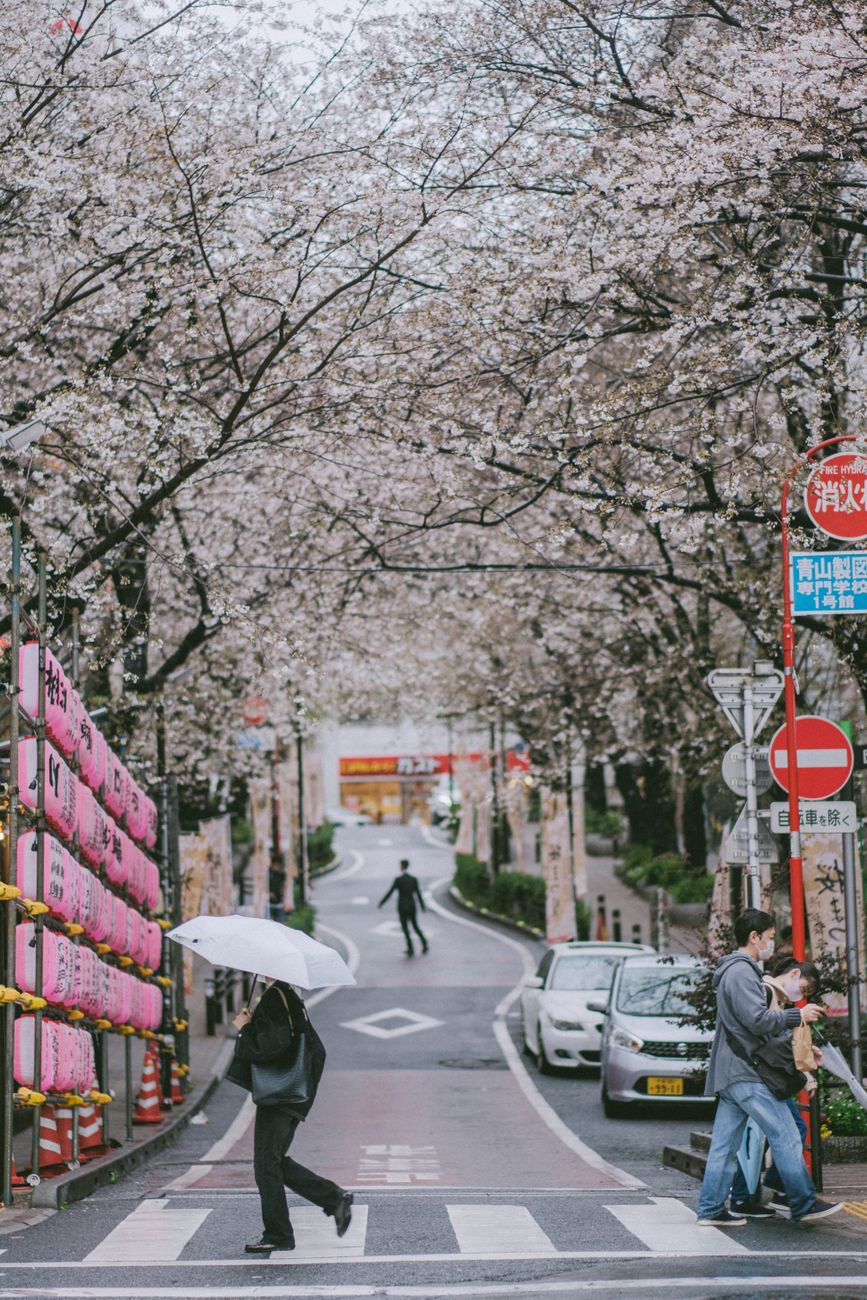
*Traveler’s Tip:* Aoyama Cemetery is easily accessible from Nogizaka Station (Chiyoda Line) or Gaienmae Station (Ginza Line). Remember to be respectful of the solemn nature of the location. This could be a good spot for a contemplative solo *hanami* experience, perhaps with a good book or your journal.
**Imperial Palace East Garden: Central Serenity**
While the area around the Imperial Palace is generally bustling, the East Garden (Higashi Gyoen) offers a surprisingly peaceful retreat right in the heart of the city. These gardens are part of the former Edo Castle grounds and are now open to the public free of charge. While its primary draw might not be cherry blossoms specifically, it does feature several beautiful sakura trees, particularly around the Ninomaru Garden and near the various gates.
The spaciousness and historical significance provide a calm backdrop. You’ll find pockets of tranquility where you can admire the blossoms, enjoy the meticulously kept landscapes, and feel a sense of history without the overwhelming crowds often found in more famous sakura spots. It’s a fantastic option if you’re already exploring central Tokyo and want a quick, quiet *hanami* fix.
*Traveler’s Tip:* The East Garden is accessible from Otemachi Station (various lines), Tokyo Station (JR Lines), or Takebashi Station (Tozai Line). Always check opening hours as the garden is closed on Mondays, Fridays, and specific holidays. Consider a walking tour that includes the Imperial Palace grounds, as a knowledgeable guide can point out historical details and lead you to the quieter spots.
**General Tips for a Quiet Sakura Experience:**
* **Go Early or Go Late:** The golden rule for avoiding crowds anywhere in Tokyo. Arrive at opening time or visit just before closing for a more peaceful experience. * **Weekdays are Your Friend:** If your schedule allows, prioritize weekday visits over weekends, especially for the more popular spots. * **Explore Beyond the Obvious:** Don’t be afraid to wander off the main paths or explore residential areas. Sometimes the most beautiful and quiet sakura experiences are found unexpectedly. * **Check Peak Bloom Forecasts:** Keep an eye on the cherry blossom forecast (available from late February/early March) to time your visits perfectly. Different varieties bloom at slightly different times, extending the quiet viewing opportunities. * **Stay Connected:** A portable Wi-Fi device or a local SIM card is invaluable for checking maps, transport schedules, and blossom forecasts on the go. * **Dress in Layers:** Tokyo spring weather can be unpredictable. Mornings can be chilly, while afternoons can be mild. * **Book Your Trip in Advance:** Sakura season is peak tourist season. To secure preferred flights, accommodations, and even specialized tours, it’s highly recommended to book several months in advance. Many online travel agencies offer packages that combine flights and hotels, potentially saving you money.
**Embrace the Tranquility**
Tokyo’s cherry blossom season is an extraordinary time, and while the vibrant atmosphere of crowded *hanami* parties has its own charm, there’s an undeniable magic in finding a quiet moment amidst the ephemeral beauty. By venturing to these serene sanctuaries and employing strategic timing, you can truly connect with the spirit of *sakura* and create unforgettable memories of a peaceful, picture-perfect Tokyo spring. So pack your bags, prepare your camera, and get ready to discover the hushed elegance of Tokyo’s quiet cherry blossom spots. Your serene sakura journey awaits!