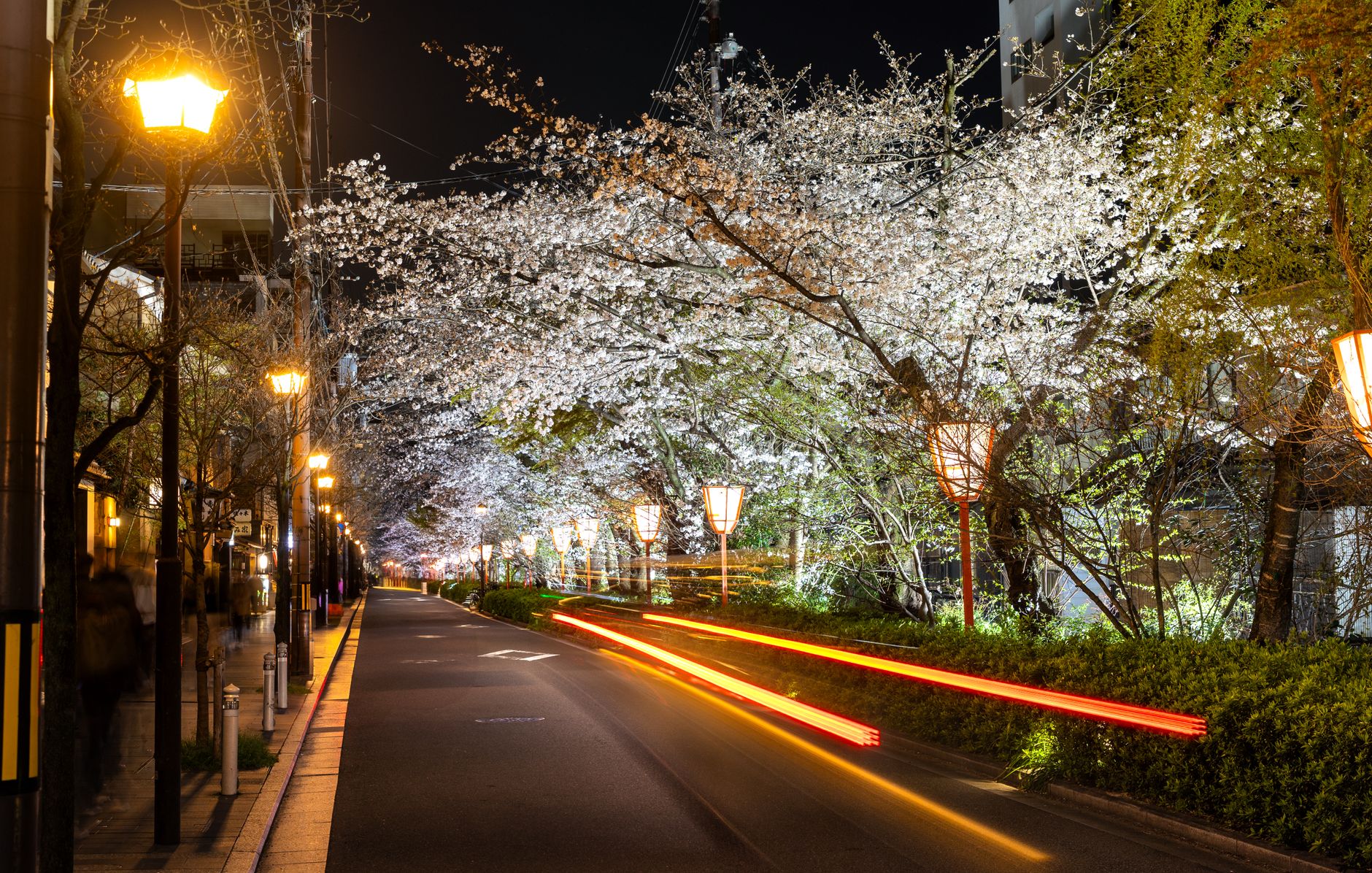
Kyoto. The very name conjures images of ancient temples, tranquil gardens, geisha gracefully navigating cobblestone streets, and above all, the breathtaking ephemeral beauty of cherry blossoms. Every spring, millions flock to Japan’s cultural capital, drawn by the promise of *sakura* – a spectacle that transcends mere flower viewing to become a profound cultural experience. While daytime sakura viewing offers its own charm, there’s a particular magic reserved for *yozakura*, the illuminated night cherry blossoms, where delicate pink petals glow under the moonlight and carefully placed lanterns.
However, the dreamlike scenery often comes with a dose of reality: crowds. Popular spots like Maruyama Park, Kiyomizu-dera, and Arashiyama can become a human river, even after dusk. The quest for that perfect, serene moment under a canopy of glowing blossoms can quickly devolve into a frustrating shuffle. But what if there was another way? A way to experience Kyoto’s enchanting night sakura without battling elbow-to-elbow with fellow travelers? A path less trodden, promising tranquility and unforgettable memories?
This comprehensive guide is your key to unlocking the secrets of peaceful *yozakura* in Kyoto. We’ll navigate beyond the well-worn tourist trails, delve into lesser-known sanctuaries, and equip you with insider tips to transform your cherry blossom dream into a serene reality, all while offering opportunities to enhance your journey with smart travel choices.

The allure of *yozakura* is undeniable. As daylight fades, the delicate petals of cherry trees, which might seem subtle during the day, take on a dramatic, ethereal glow. Strategic lighting – from traditional lanterns to modern spotlights – casts intricate shadows and highlights the blossoms in ways the sun never could. The air fills with a hushed reverence, punctuated only by the soft rustle of wind through the branches and the distant tolling of a temple bell. It’s a sensory experience that feels deeply spiritual, a quiet communion with nature and history. Yet, enjoying this profound beauty requires a bit of planning, especially if you wish to avoid the notorious queues that can stretch for hours at the most famous locations.
**Beyond the Crowds: Hidden Gems and Strategic Viewing**
While many iconic locations in Kyoto do offer night illuminations, our focus here is on discovering spots that, while perhaps still known, offer a more manageable crowd experience, or provide tips to navigate even popular spots with greater ease.
**1. Kodai-ji Temple (高台寺) – A Glimpse of Zen Serenity** Kodai-ji, nestled in Kyoto’s Higashiyama district, is renowned for its stunning rock garden and bamboo groves. During sakura season, its beautiful gardens are dramatically illuminated, featuring a mesmerizing light show projected onto the rock garden, and cherry trees glowing around the Hojo (main hall) and surrounding ponds. While popular, Kodai-ji’s layout with multiple pathways and viewing areas often disperses crowds better than single-point viewing spots. * **Tip for Serenity:** Visit closer to opening time (usually around sunset) or an hour before closing. Many tourists flock right at sunset, creating a peak rush. Arriving slightly later or earlier can make a huge difference. Consider a combined ticket with its affiliated temple, Entoku-in, for a deeper dive into Zen aesthetics. For seamless entry, pre-booking your ticket online (often available via travel platforms) can save you precious queue time at the gate.
**2. Shoren-in Temple (青蓮院) – An Understated Elegance** Just a short walk from Chion-in Temple, Shoren-in is often overlooked by tourists rushing to more famous sites. This hidden gem offers one of Kyoto’s most enchanting night illuminations. Its expansive moss gardens, pond, and majestic camphor trees are transformed by thousands of blue LED lights, creating an otherworldly, tranquil atmosphere that feels almost magical. The quietude here is truly unparalleled. * **Why it’s Less Crowded:** Its proximity to more famous spots means many visitors simply pass it by, making it a perfect spot for those seeking a more intimate experience. The blue light concept also sets it apart from traditional white/pink illuminations.
**3. Kyoto Botanical Garden (京都府立植物園) – Space to Breathe** Located north of the city center, the Kyoto Botanical Garden is a vast expanse of diverse flora. During cherry blossom season, a dedicated area of the garden, particularly around its pond and *Sakura-lin* (Cherry Blossom Grove), is illuminated. Due to its sheer size and slightly further location from central tourist hubs, it offers ample space for visitors to spread out. * **Logistics:** Easily accessible by subway (Kitaoji Station). This is an excellent choice for families or those who prefer walking freely without feeling hemmed in. Pack a light picnic or snacks, as amenities inside might be limited at night.
**4. Haradani-en Garden (原谷苑) – The Ultimate Secret (Almost)** This private garden, open only during spring and autumn, is arguably Kyoto’s best-kept secret for cherry blossoms. Tucked away in the mountains north-west of Kinkaku-ji, Haradani-en explodes with an unimaginable density of cherry trees of various types, creating a breathtaking tapestry of pink. While primarily known for daytime viewing, they sometimes offer limited evening illuminations. Check their official website for seasonal opening hours and night viewing details. * **The Catch & The Reward:** It’s a bit of a trek to get there (a taxi is often recommended from Kinkaku-ji or Kitaoji Station), and entry fees are higher than most temples. However, the sheer density and variety of blossoms are unparalleled, and while it can get busy, it’s not the frantic rush of downtown Kyoto. The reward for your effort is an overwhelming, immersive experience. Consider booking a private car service for convenience, especially if traveling in a group.
**5. Lesser-Known Neighborhoods & Local Shrines**
Sometimes, the best *yozakura* isn’t found in a famous temple but simply by wandering through local neighborhoods. Areas like Sagano (beyond the main Arashiyama bamboo grove), the residential streets near the Kamo River, or small, local shrines often have cherry trees that are subtly lit by streetlights or local residents. These spontaneous encounters with blossoms are often the most memorable.
* **Embrace the Wander:** Ditch the map for an evening and simply explore. You might stumble upon a quiet canal lined with glowing trees, or a small shrine where locals gather for a peaceful contemplation.
**Strategic Planning: Maximizing Your Serene Sakura Experience**
Avoiding crowds isn’t just about choosing the right spot; it’s also about smart travel choices and timing.
**1. Timing is Everything:** * **Weekdays vs. Weekends:** Always prioritize weekdays for visiting any popular attraction, especially during peak sakura season. Weekends draw massive local and international crowds. * **Early or Late:** For illuminated spots, go right at opening time (often sunset) or an hour or two before closing. The initial rush at sunset and the last-minute stragglers are often less dense. * **Peak Bloom vs. Fringe:** While peak bloom (Mankai) is glorious, visiting slightly before or after can offer beautiful experiences with fewer people. Early blossoms might mean a few trees in bloom at different locations, while late blossoms offer the ethereal sight of falling petals (*hanafubuki*).
**2. Transportation Savvy:** * **Public Transport:** Kyoto’s bus system is extensive, but buses to popular areas can be packed. Consider using the subway when possible, or combining subway and a short walk. A Kyoto City Bus Pass can be highly economical. * **Taxis/Ride-sharing:** For destinations like Haradani-en, or if you’re exploring multiple spots in one evening, taxis can be a lifesaver, especially if traveling with family or carrying camera gear. Pre-booking a taxi through your hotel or a ride-sharing app can minimize waiting times. * **Walking:** Kyoto is incredibly walkable, especially its historic districts. Embrace leisurely strolls between spots. You’ll discover hidden gems and avoid bus queues.
**3. Accommodation Location:** * Staying in areas like Gion, Higashiyama, or near a subway station can significantly cut down on travel time to night viewing spots. Areas north of the city, while quieter, might require more planning for evening excursions. Consider hotels that offer shuttle services or are close to convenient public transport links. Booking well in advance is crucial, as Kyoto accommodations fill up months before sakura season.
**4. Gear Up for Night Photography:** * **Tripod:** Essential for capturing sharp, non-blurry night photos of the blossoms. Even a lightweight travel tripod makes a huge difference. * **Warm Clothing:** Even in spring, Kyoto nights can be chilly. Layers, a warm jacket, hat, and gloves are highly recommended, especially when standing still to admire the views. * **Portable Power Bank:** Your phone battery will drain quickly with navigation and photos. * **Good Shoes:** You’ll be doing a lot of walking! Comfortable, waterproof shoes are a must. * **Travel Insurance:** Always a wise investment, especially when traveling during peak seasons, covering unexpected cancellations or medical emergencies.
**5. Embrace the Local Experience:** * **Dine Strategically:** Instead of rushing to a restaurant after viewing, have an early dinner, or seek out local eateries in less touristy neighborhoods. You might discover fantastic *izakaya* or ramen shops off the main drag. * **Enjoy a Hot Drink:** Many temples or nearby cafes offer hot *matcha* or sake during night illuminations. Savoring a warm drink amidst the blossoms adds another layer to the experience. * **Respect Local Customs:** Remember to be quiet and respectful in temple grounds, especially at night. Photography is usually allowed, but avoid tripods in crowded areas where they might impede others.
**Affiliate Opportunities to Enhance Your Trip:**
Throughout your planning process, consider leveraging these services to make your Kyoto cherry blossom trip smoother and more enjoyable:
* **Japan Rail Pass:** If you’re traveling extensively around Japan, a JR Pass can be incredibly cost-effective for bullet train travel to and from Kyoto, and for some local lines within the Kansai region.
* **Kyoto Pass / Kansai Thru Pass:** For extensive public transport within Kyoto and the wider Kansai region (Osaka, Nara), these passes offer unlimited rides and can save you money.
* **Private Walking Tours:** Consider hiring a local guide for an evening. They can take you to truly hidden spots and provide cultural context that enriches the experience, bypassing the need for you to navigate unfamiliar areas. Many specialized tours focus on night photography or less-crowded sakura spots.
* **Photography Workshops:** If you’re keen on capturing the perfect shot, a dedicated night photography workshop can provide expert guidance right there amidst the blossoms.
* **Booking.com/Agoda/Expedia:** Secure your accommodation well in advance. Consider options with free cancellation for flexibility.
* **Travel Insurance Providers:** Don’t forget to protect your trip with comprehensive travel insurance.

**Conclusion: Your Serene Sakura Awaits**
Kyoto’s night sakura is an experience unlike any other, a sublime fusion of nature’s beauty and human artistry. While the sheer popularity of this phenomenon can seem daunting, with careful planning, strategic choices, and a willingness to explore beyond the usual suspects, you can unlock a peaceful and profoundly beautiful experience. Imagine standing beneath a glowing canopy of cherry blossoms, the world hushed, the air cool, and the delicate petals drifting gently around you – a moment of pure magic, unmarred by the clamor of crowds. This dream is within your grasp. Start planning your serene *yozakura* adventure today, and prepare to be utterly enchanted by the quiet, radiant beauty of Kyoto’s cherry blossom nights.