Japan is a country renowned not only for its bustling metropolises like Tokyo but also for its serene natural beauty and deeply rooted cultural traditions. While the neon glow of Shibuya Crossing or the historic majesty of Kyoto often steal the spotlight, venture a little further north, and you’ll discover hidden gems that promise unforgettable experiences. One such treasure is Kitakami Tenshochi, a spectacular park in Iwate Prefecture, famous worldwide for its breathtaking cherry blossoms and tranquil riverside scenery.
Imagine yourself gliding through the Japanese countryside at incredible speed, leaving the urban sprawl behind for a world painted in soft pinks and vibrant greens. Getting to this idyllic destination from the heart of Tokyo might seem daunting at first glance, but thanks to Japan’s efficient and awe-inspiring Shinkansen (bullet train) network, it’s an adventure that’s both seamless and incredibly scenic. This guide will walk you through every step of planning and executing your journey from Tokyo to Kitakami Tenshochi, ensuring you arrive relaxed, ready to explore, and armed with all the insider tips for a truly memorable trip.
Why Kitakami Tenshochi Deserves a Spot on Your Itinerary
💡 Travel tip: How to Book the Best Tours in How to get to Kitakami Tenshochi from Tokyo by Shinkansen — Instant Confirmation!
Before we dive into the logistics of your journey, let’s understand what makes Kitakami Tenshochi such a compelling destination. Often listed as one of Japan’s “Three Great Cherry Blossom Viewing Spots,” Kitakami Tenshochi Park boasts a stunning 2-kilometer tunnel of cherry trees, comprising over 10,000 trees of various varieties. When these blossoms reach their peak in late April to early May, the sight is simply magical. You can stroll beneath the delicate pink canopy, enjoy a traditional hanami picnic, or even take a leisurely boat ride on the Kitakami River, offering unique views of the blossoming riverside.
Beyond the iconic cherry blossoms, the park offers natural beauty throughout the year. In summer, the river sparkles under the sun, inviting boat trips and riverside relaxation. Autumn transforms the landscape into a canvas of fiery reds and golden yellows, while winter brings a quiet, serene beauty, often dusted with snow. The park also houses a folk village, a petting zoo, and various traditional events and festivals, providing a glimpse into local culture and history. For those seeking an escape from the city and a genuine connection with Japan’s natural splendor, Kitakami Tenshochi is an unparalleled choice.
The Shinkansen Experience: Your Journey Begins!
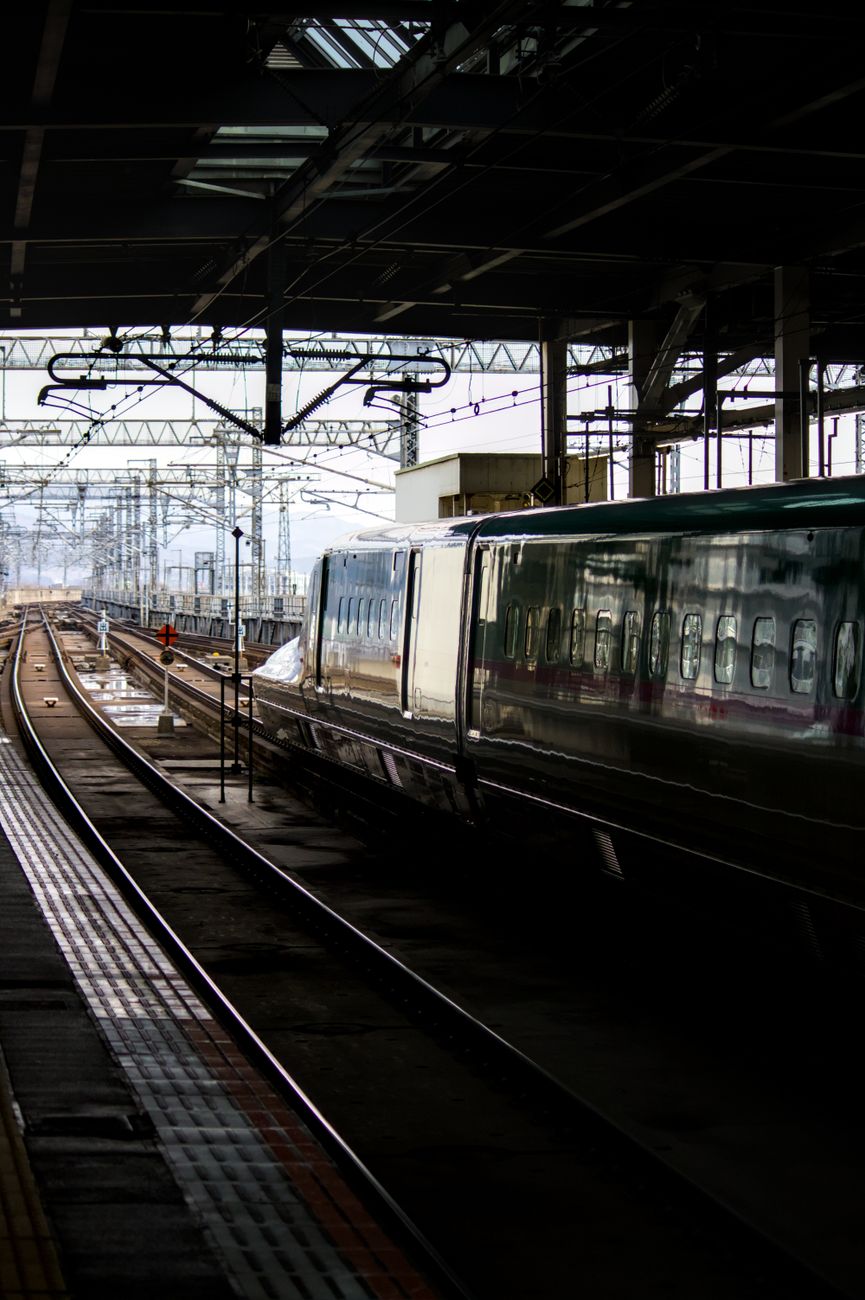
Choosing the Shinkansen for your trip from Tokyo to Kitakami isn’t just about speed; it’s about comfort, reliability, and an integral part of the Japanese travel experience. These engineering marvels cut across the landscape, connecting major cities with unparalleled efficiency. The Tohoku Shinkansen line is your gateway to Kitakami, promising a smooth and enjoyable ride that turns travel time into part of your adventure. Forget the stresses of flying or the cramped quarters of a bus; the Shinkansen offers spacious seating, ample legroom, and large windows perfect for admiring the passing scenery.
Step-by-Step Guide: Tokyo to Kitakami Station
Your journey to Kitakami Tenshochi begins at Tokyo Station, one of Japan’s busiest and most important transportation hubs. Navigating this vast station might seem intimidating, but with a little preparation, it’s quite straightforward.
1. Getting to Tokyo Station:
First, you need to get to Tokyo Station. It’s centrally located and incredibly well-connected by numerous JR lines (Yamanote Line, Chuo Line, Keihin-Tohoku Line, etc.) and Tokyo Metro subway lines (Marunouchi Line, Tozai Line). Plan your route using Google Maps or a dedicated transit app like Japan Transit Planner (Jorudan or Hyperdia) to find the most efficient way from your accommodation. Look for signs pointing to the Shinkansen platforms once you’re inside the station.
2. Purchasing Your Shinkansen Tickets:
This is a crucial step, and you have a few options:
JR Pass (Japan Rail Pass): If you’re planning extensive travel around Japan, the Japan Rail Pass is an absolute game-changer and a must-consider. It offers unlimited travel on JR lines, including most Shinkansen routes, for a set period. For a trip from Tokyo to Kitakami and back, plus any other JR travel you might do, it often provides significant savings. You must purchase your JR Pass exchange order outside Japan* before your trip, then exchange it for the actual pass at a major JR station in Japan (like Tokyo Station). Once you have your JR Pass, you can reserve seats for free at any JR ticket office (Midori-no-Madoguchi). This is an excellent affiliate opportunity – consider booking your JR Pass in advance through our recommended partner [Affiliate Link to JR Pass Vendor] for a hassle-free experience and often better rates!
* Individual Tickets: If the JR Pass doesn’t make financial sense for your itinerary, you can purchase individual Shinkansen tickets. You can do this at:
* JR Ticket Offices (Midori-no-Madoguchi): These offices are clearly marked with green signs and are staffed by English-speaking agents at major stations.
* Ticket Machines: Many machines have English language options and are convenient if you know your destination and train time.
* Online: JR East’s online booking system allows you to purchase tickets in advance.
🗺️ Don’t miss: Explore How to get to Kitakami Tenshochi from Tokyo by Shinkansen with the Best Local Guides
When purchasing, you’ll generally need to specify:
* Destination: Kitakami Station (北上駅)
* Date and Time: Your preferred travel date and departure time.
* Train Type: You’ll primarily be looking for the Tohoku Shinkansen.
* Seat Type:
* Ordinary Car (Reserved/Non-Reserved): Reserved seats guarantee you a spot, which is highly recommended for longer journeys and popular routes. Non-reserved seats are cheaper but can mean standing during peak times.
* Green Car (First Class): Offers more spacious seating, additional legroom, and a quieter environment. This is a premium experience for those seeking extra comfort.
* Shinkansen Type: For Kitakami, you’ll usually take either the Hayabusa or Yamabiko services.
* Hayabusa (はやぶさ): This is the fastest service, making fewer stops. It’s reserved-seating-only, and you’ll need a reservation. This is the recommended option for speed and efficiency.
* Yamabiko (やまびこ): This service makes more stops, taking a bit longer, but often has non-reserved carriages available, making it a potentially cheaper option if you’re not using a JR Pass or prefer flexibility.
* Both will get you to Kitakami, but Hayabusa is generally preferred for its speed (approximately 2 hours 40 minutes vs. 3+ hours for Yamabiko).

3. Navigating Tokyo Station and Boarding:
Once you have your ticket (or JR Pass and reservation), look for the Shinkansen gates. Tokyo Station has multiple entrances and exits, but the Shinkansen platforms are typically grouped together. Pass through the ticket gate by inserting your ticket (or tapping your IC card/showing your JR Pass to the attendant). Check the electronic display boards for your train’s platform number. Shinkansen platforms are well-signed. Head to your designated platform well before departure. Pay attention to the car numbers indicated on your ticket and on the platform floor markings to line up correctly.
4. The Onboard Experience:
Step aboard your Shinkansen, find your seat, and settle in. The trains are clean, punctual, and equipped with amenities like restrooms, power outlets (in most reserved seats), and often a cart service offering snacks and drinks. Enjoy the journey as the urban landscape gives way to charming towns, rice fields, and distant mountains. Announcements are made in Japanese and English, informing you of upcoming stops.
5. Arrival at Kitakami Station:
Approximately 2 hours and 40 minutes (Hayabusa) to 3 hours+ (Yamabiko) after departing Tokyo, you will arrive at Kitakami Station (Kitakami-eki). Disembark the train and follow the signs to the station exit. Kitakami Station is much smaller and easier to navigate than Tokyo Station.
From Kitakami Station to Kitakami Tenshochi Park
Once you’ve arrived at Kitakami Station, getting to Kitakami Tenshochi Park is a breeze. The park is conveniently located just a short distance from the station.
* By Bus: This is often the most straightforward and recommended option. Look for the local bus stops outside the station. The “Tenshochi Shuyu Bus” (Tenshochi Loop Bus) or specific local routes will take you directly to the park entrance. During the cherry blossom festival season, special shuttle buses run frequently from the station to the park, making access even easier. The ride is short, usually around 10-15 minutes, and costs a few hundred yen.
* By Taxi: Taxis are readily available outside Kitakami Station. A taxi ride offers convenience and speed, especially if you’re traveling with luggage or a group. The ride to the park will take about 5-10 minutes and cost around ¥1,000-¥1,500, depending on traffic.
* Walking: If you enjoy walking and the weather is pleasant, Kitakami Tenshochi Park is approximately 2 kilometers from the station. It’s a pleasant walk that takes about 25-30 minutes, allowing you to soak in the local atmosphere as you head towards the riverside.
Making the Most of Your Trip: Essential Tips & Affiliate Opportunities
To ensure your trip to Kitakami Tenshochi is as smooth and enjoyable as possible, consider these additional tips and opportunities:
🎯 Editor’s pick: Best-Rated How to get to Kitakami Tenshochi from Tokyo by Shinkansen Tours in 2025 — Reviewed by Thousands of Travelers
* Book Your JR Pass Early: As mentioned, if you plan on visiting other cities, the Japan Rail Pass is incredibly cost-effective. Purchase your exchange order online before your trip to Japan. We highly recommend purchasing it through [Affiliate Link to JR Pass Vendor] to secure the best price and ensure validity.
* Accommodation: While Kitakami can be visited as a day trip from Tokyo, consider staying overnight to fully immerse yourself in the local experience, especially during cherry blossom season when the park is lit up at night. There are several comfortable hotels near Kitakami Station, and even some traditional ryokans. Look for accommodation options in Kitakami or nearby Morioka (a larger city also on the Tohoku Shinkansen line) on [Affiliate Link to Booking.com/Agoda/Expedia].
* Timing Your Visit: The best time to visit for cherry blossoms is typically late April to early May, but this can vary year to year. Check local forecasts closer to your travel date. If visiting outside cherry blossom season, autumn (late October/early November) offers stunning fall foliage.
* Stay Connected: Japan offers excellent connectivity. Consider renting a pocket Wi-Fi device or purchasing a local SIM card to stay connected, navigate, and share your incredible photos instantly. You can pre-order these through [Affiliate Link to Japan Wireless/Sakura Mobile] for pickup at the airport or delivery to your hotel.
* What to Bring: Comfortable walking shoes are a must, as you’ll be doing a lot of exploring. Bring a camera with plenty of storage, and be prepared for varying weather conditions – layers are always a good idea.
* Local Delicacies: While in Kitakami, don’t miss the opportunity to try local Iwate specialties. Morioka Reimen (cold noodles) and Wanko Soba (all-you-can-eat soba served in small bowls) are famous regional dishes that you might find in Kitakami or nearby Morioka.
* Flexibility & Reservations: During peak cherry blossom season, trains and accommodations can fill up quickly. If you’re traveling with a JR Pass, make seat reservations for your Shinkansen well in advance. If buying individual tickets, purchase them as soon as your plans are firm.
* Check Operating Hours: Always check the park’s official website for current operating hours, entrance fees (if any, though the main park is usually free), and specific event schedules, especially during festivals.
Conclusion
Embarking on a journey from the vibrant heart of Tokyo to the serene beauty of Kitakami Tenshochi by Shinkansen is more than just travel; it’s an integral part of the Japanese experience. From the effortless glide of the bullet train across picturesque landscapes to the awe-inspiring spectacle of cherry blossoms or the tranquil charm of the Kitakami River, every moment promises discovery and wonder. By following this comprehensive guide, utilizing smart travel tools like the Japan Rail Pass, and embracing the adventure, you’re not just planning a trip – you’re crafting an unforgettable memory. So, pack your bags, secure your tickets, and prepare to unlock the magic of Kitakami Tenshochi. Your seamless Shinkansen journey awaits!