Prepare your taste buds for an unforgettable adventure because Seoul, South Korea’s vibrant capital, is a culinary wonderland waiting to be explored. More than just a city of towering skyscrapers and ancient palaces, Seoul pulsates with an electrifying food scene that caters to every palate imaginable. From sizzling street food stalls that perfume the air with tantalizing aromas to Michelin-starred restaurants pushing the boundaries of modern Korean cuisine, and cozy cafes serving up delightful treats, Seoul offers an unparalleled gastronomic journey. This comprehensive guide will equip you with everything you need to navigate this delicious landscape, ensuring you experience the very best of Korean food culture.
Seoul’s culinary identity is a dynamic blend of tradition and innovation. Rooted deeply in centuries-old practices, Korean food emphasizes fresh, seasonal ingredients, bold flavors, and a harmonious balance of spice, sweetness, and savoriness. Yet, it’s also a city that embraces global influences and cutting-edge trends, constantly reinventing classic dishes and creating new ones. This duality is what makes eating in Seoul so exciting – you can delve into time-honored dishes prepared with authentic methods one moment, and then discover an avant-garde culinary masterpiece the next. It’s a city where every meal tells a story, a vibrant narrative of culture, history, and an unyielding passion for food.
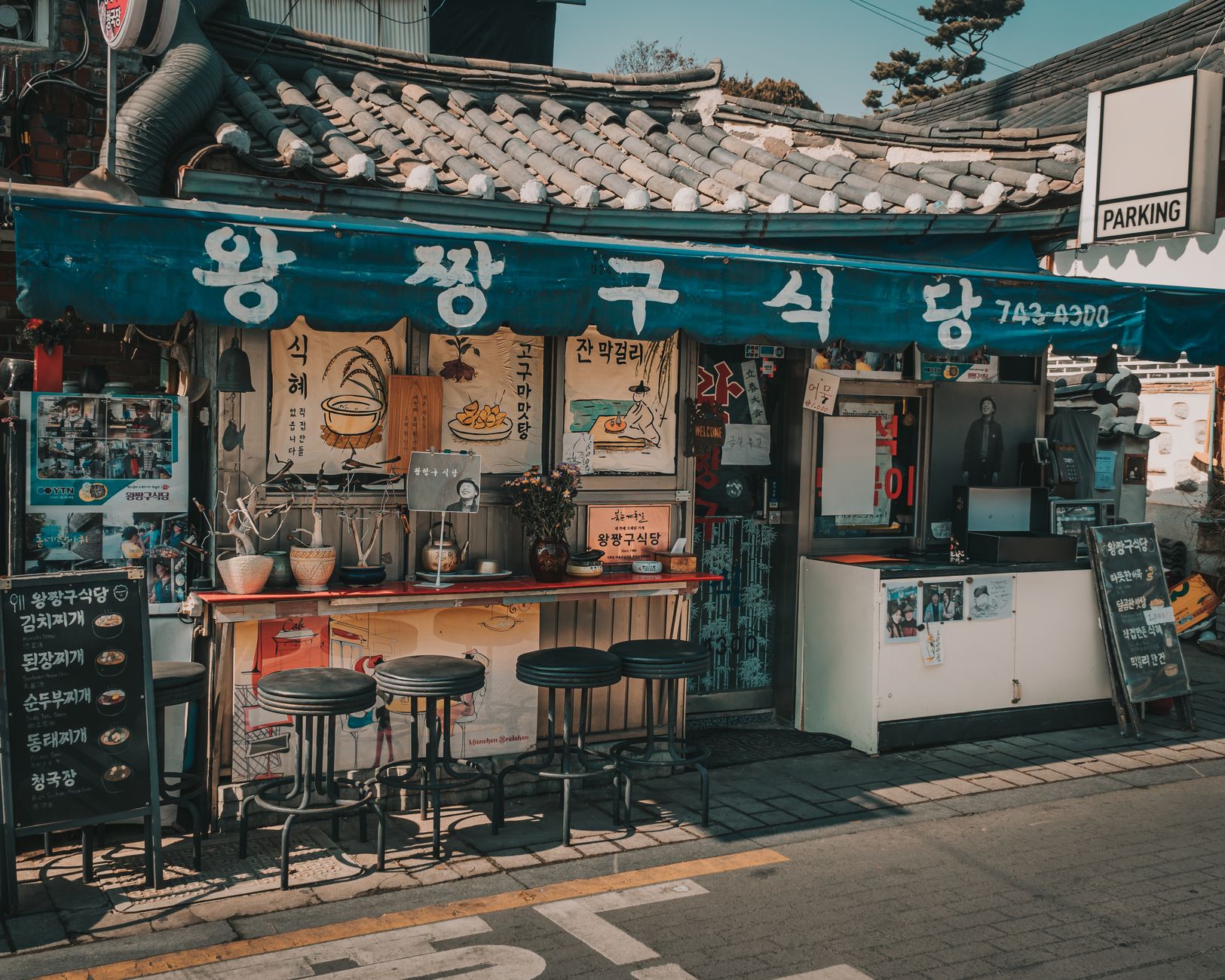
The Irresistible Allure of Seoul Street Food
No visit to Seoul is complete without diving headfirst into its legendary street food scene. These bustling hubs of gastronomic delight offer quick, affordable, and incredibly flavorful bites that are perfect for sampling a wide array of Korean specialties. Myeongdong and Gwangjang Market are iconic starting points, but you’ll find delectable street eats in virtually every neighborhood.
🌟 Recommended: Best Tours in Seoul Korea food travel guide — Check Availability & Latest Prices
* Tteokbokki (Spicy Rice Cakes): A quintessential Korean street food, tteokbokki consists of chewy rice cakes simmering in a fiery, sweet gochujang (chili paste) sauce, often with fish cakes and boiled eggs. It’s a comforting, addictive snack that packs a punch.
* Eomuk (Fish Cakes): Skewered fish cakes, often served in a savory broth, are a warming and light snack, especially popular during cooler months. Dip them in soy sauce for an extra burst of flavor.
* Hotteok (Sweet Pancakes): These golden-brown pancakes, crispy on the outside and chewy within, are typically filled with a molten mixture of brown sugar, cinnamon, and nuts. A perfect sweet treat, especially straight from the griddle.
* Gyeranppang (Egg Bread): A fluffy, slightly sweet bread with a whole egg baked inside, gyeranppang is a simple yet satisfying snack, offering a delightful contrast of textures and tastes.
* Kimchi Jeon (Kimchi Pancake) & Pajeon (Scallion Pancake): Savory pancakes, often fried to a crispy perfection. Kimchi Jeon offers a tangy, spicy kick, while Pajeon provides a fragrant, oniony delight, often enjoyed with makgeolli (rice wine).
* Bungeoppang (Fish-Shaped Pastry): A charming, fish-shaped pastry filled with sweet red bean paste, custard, or chocolate, bungeoppang is a nostalgic treat that’s both delicious and Instagram-worthy.
For a true street food immersion, consider exploring Gwangjang Market. This historic market is a sensory overload in the best possible way. Here, you can sit at communal tables and watch vendors expertly prepare dishes like bindaetteok (mung bean pancakes), mayak gimbap (addictive mini seaweed rolls), and various noodle dishes right before your eyes. It’s not just about the food; it’s about the vibrant atmosphere, the friendly banter, and the shared experience of authentic Korean culture.
Delving into Traditional Korean Dining
Beyond the bustling street stalls, Seoul boasts an incredible array of traditional dining experiences that are a must-try for any food lover. These establishments often specialize in classic dishes that form the backbone of Korean cuisine.
Korean BBQ (Gogi-gui): This is perhaps the most iconic Korean dining experience. Imagine sizzling cuts of marinated beef (galbi) or pork belly (samgyeopsal) grilled right at your table, then wrapped in fresh lettuce leaves with garlic, ssamjang (spicy dipping sauce), and kimchi. It’s a communal, interactive, and incredibly satisfying meal. Look for restaurants specializing in hanwoo* (Korean beef) for a premium experience, or enjoy the more common and equally delicious pork options.
Bibimbap (Mixed Rice with Vegetables): A visually stunning and nutritious dish, bibimbap combines warm rice topped with an array of sautéed vegetables (namul), often beef or tofu, a fried egg, and a dollop of gochujang. Mix it all together for a harmonious blend of flavors and textures. For an extra treat, try dolsot bibimbap*, served in a hot stone pot that crisps the rice at the bottom.
* Kimchi Jjigae (Kimchi Stew) & Sundubu Jjigae (Soft Tofu Stew): These hearty, bubbling stews are perfect comfort food, especially on a chilly day. Kimchi Jjigae is made with aged kimchi, tofu, and pork or tuna, while Sundubu Jjigae features silky soft tofu, often with seafood or meat, all in a spicy, flavorful broth. Served with rice, they are deeply satisfying and incredibly popular.
* Samgyetang (Ginseng Chicken Soup): A restorative and nourishing dish, samgyetang features a whole young chicken stuffed with glutinous rice, ginseng, jujubes, and garlic, simmered in a delicate broth. It’s especially popular in summer as Koreans believe it helps combat heat fatigue.

Modern Gastronomy and Trendy Cafes
Seoul’s food scene isn’t just about tradition; it’s also a hotbed of innovation and trendsetting. The city is a paradise for those seeking contemporary dining experiences, from experimental fusion restaurants to chic cafes that are destinations in themselves.
💡 Travel tip: How to Book the Best Tours in Seoul Korea food travel guide — Instant Confirmation!
* Fusion Cuisine & Fine Dining: Neighborhoods like Gangnam and Cheongdam-dong are home to high-end restaurants pushing the boundaries of Korean cuisine, blending traditional flavors with international techniques. Many of these have earned Michelin stars, offering unforgettable tasting menus that redefine modern Korean dining. Look for innovative dishes that marry traditional ingredients with unexpected twists.
* Cafe Culture: Seoul’s cafe culture is legendary. Beyond your typical coffee shops, you’ll find themed cafes (animal cafes, comic book cafes), dessert cafes serving elaborate bingsu (shaved ice), unique pastries, and aesthetically pleasing drinks, and stylish establishments perfect for relaxing and people-watching. Areas like Hongdae, Garosu-gil, and Ikseon-dong are brimming with charming and often quirky cafes. These are perfect spots for a mid-afternoon break or a sweet ending to your meal.
Markets for the Adventurous Foodie
Beyond Gwangjang, Seoul offers other specialized markets that provide unique culinary insights and opportunities for exploration:
* Noryangjin Fish Market: For seafood lovers, Noryangjin is an absolute must-visit. This massive indoor market allows you to select live seafood directly from tanks, which can then be taken upstairs to one of the many restaurants to be prepared on the spot – sashimi, grilled, steamed, or stir-fried. It’s a truly fresh, customizable, and immersive seafood experience, though be prepared for the bustling atmosphere and negotiating prices.
* Tongin Market: Known for its “dosirak cafe,” Tongin Market offers a unique experience where you exchange cash for old-fashioned brass coins and then use them to select various banchan (side dishes) and main courses from different stalls to fill your lunchbox. It’s a fun, interactive way to sample a variety of traditional Korean home-style dishes.
Beyond Eating: Immersive Culinary Activities
To truly understand Korean food, why not get hands-on?
Korean Cooking Classes: Several reputable cooking schools in Seoul offer classes where you can learn to prepare classic dishes like kimchi, bibimbap, bulgogi, and various stews. These classes often include a market tour, providing insight into Korean ingredients, and culminate in enjoying the meal you’ve prepared. It’s an enriching cultural experience and a fantastic way to bring a piece of Korea home with you. We highly recommend booking a specialized cooking class in advance to secure your spot and delve deeper into Korean culinary techniques.*
Guided Food Tours: If you prefer to have an expert lead the way, a guided food tour is an excellent option. Local guides can navigate hidden alleys, introduce you to authentic eateries, explain the history and significance of dishes, and help you overcome any language barriers. Many tours focus on specific neighborhoods or types of food (e.g., street food, traditional dining, drinking culture). Consider enhancing your trip with a Korean food tour; it’s an invaluable way to discover local favorites and learn about the culture from an insider.*
Practical Tips for Your Seoul Food Adventure
🎯 Editor’s pick: Best-Rated Seoul Korea food travel guide Tours — Reviewed by Thousands of Travelers
Navigating Seoul’s food scene can be a breeze with a few helpful pointers:
Ordering and Etiquette: Most menus have pictures, and many tourist-friendly areas have English menus. Don’t be afraid to point! Tipping is not customary in Korea. Meals are often served with complimentary banchan* (side dishes), which are typically refillable. Eating communally is common, especially with dishes like Korean BBQ and stews. Use your chopsticks for solid food and a spoon for rice and soup.
* Payment: Credit cards are widely accepted, even at smaller establishments. However, it’s always good to carry some cash for street food vendors or very small shops.
* Navigating the City: Seoul has an excellent public transportation system (subway and bus). Invest in a T-Money card (rechargeable transportation card) upon arrival for seamless travel. You can purchase and top it up at subway stations and convenience stores.
Stay Connected: To navigate with maps and translate menus on the go, staying connected is crucial. Purchase a local SIM card or an eSIM for convenient data access throughout your trip. For seamless travel, invest in a T-Money card and ensure you have a reliable way to stay connected with an eSIM or local SIM.*
* Timing Your Meals: Koreans often eat dinner later than in many Western cultures, usually between 7 PM and 9 PM. Lunch is typically between 12 PM and 2 PM. Many restaurants close for a “break time” between lunch and dinner, so plan accordingly.

* Exploring Beyond the Mainstream: While Myeongdong, Gangnam, and Hongdae are popular, venture into areas like Ikseon-dong for its hanok (traditional Korean house) cafes and restaurants, or Euljiro for its retro-vibe eateries and craft beer pubs. Each neighborhood has its unique flavor and culinary offerings. Don’t be afraid to wander off the main streets; some of the best discoveries are made in the charming back alleys.
Your Seoul Culinary Journey Awaits!
Seoul is not just a destination; it’s a sensory experience, a vibrant tapestry woven with the threads of flavor, aroma, and tradition. From the fiery kick of tteokbokki to the comforting warmth of a kimchi jjigae, and the refined artistry of modern Korean cuisine, every bite tells a story and every meal is an adventure. So pack your bags, bring your appetite, and prepare to eat your way through one of the world’s most exciting food cities. Whether you’re a seasoned foodie or a curious traveler, Seoul’s culinary heart will undoubtedly capture yours. Don’t just visit Seoul; taste it, savor it, and let its unforgettable flavors become a cherished part of your travel memories. Book your tickets and start planning your delicious Korean escape today!