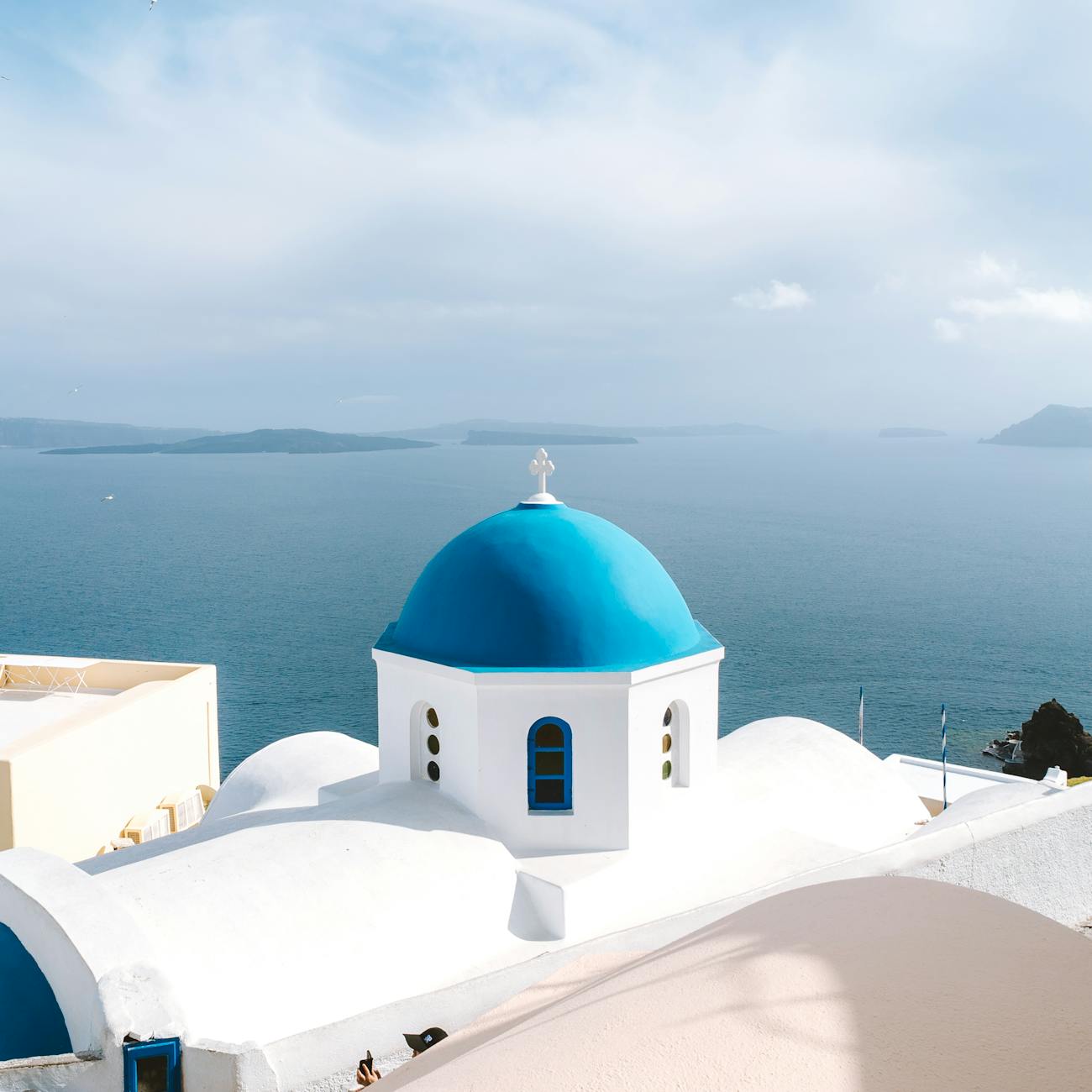
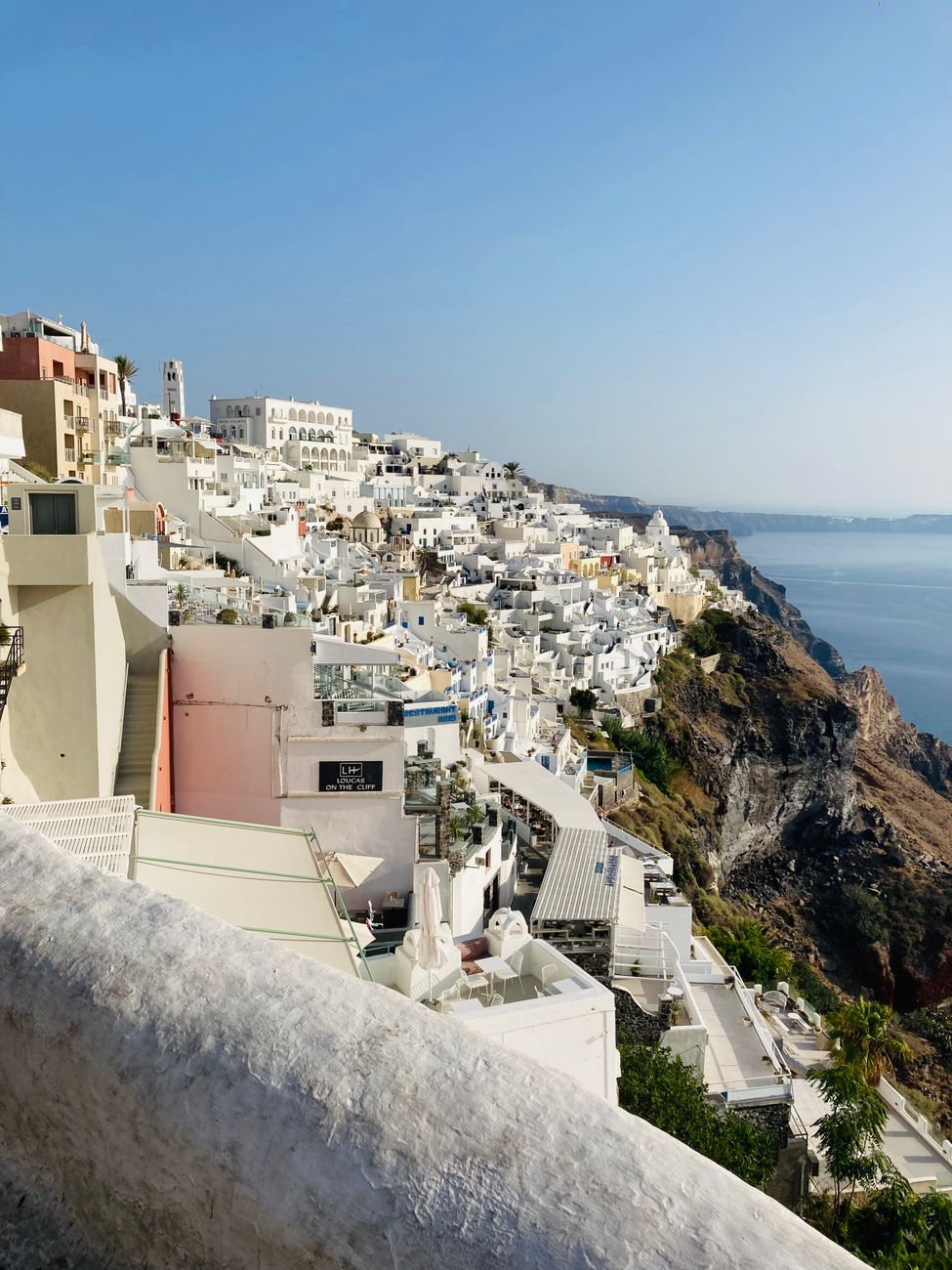
Santorini, a jewel of the Aegean Sea, is more than just a destination; it’s a dreamscape etched into the minds of travellers worldwide. With its iconic white-washed villages perched atop dramatic cliffs, cerulean domes glinting under the Mediterranean sun, and sunsets that paint the sky in fiery hues, this Greek island is synonymous with romance, beauty, and unparalleled luxury. It’s a place that consistently tops bucket lists, beckoning visitors to experience its unique volcanic charm and sophisticated island living.
However, beneath the postcard-perfect facade lies an island that, without proper planning, can be overwhelming and surprisingly costly. From navigating its winding pathways to securing the best spots for those legendary sunsets, a little insider knowledge goes a long way. This comprehensive guide is designed to equip you with all the essential Santorini travel tips, ensuring your journey to this Grecian paradise is as seamless, magical, and unforgettable as the island itself. We’ll delve into the best times to visit, how to get around, where to stay, what to do, and crucial practical advice to make your Santorini adventure truly spectacular.
When to Visit Santorini: Timing Your Perfect Trip
Choosing the right time to visit Santorini is crucial for balancing beautiful weather with manageable crowds and reasonable prices.
* High Season (June – August): This is peak time, and for good reason. The weather is glorious, with long, hot, sunny days perfect for swimming and sunbathing. All businesses are open, and the island buzzes with energy. However, be prepared for significant crowds, especially in Oia and Fira, and premium prices for flights, accommodation, and tours. If you’re travelling during these months, booking everything well in advance (6-12 months for popular hotels) is non-negotiable.
🗺️ Don’t miss: Explore Santorini Greece travel tips with the Best Local Guides
Shoulder Season (April – May & September – October): Often considered the best* time to visit. The weather is still fantastic – warm and sunny but not stifling hot. The crowds are thinner, prices are more reasonable, and you can enjoy the island’s beauty without feeling overwhelmed. In April and May, the island is lush and green from winter rains, while September and October offer warm sea temperatures perfect for swimming and a quieter atmosphere as summer winds down. Most businesses are still fully operational.
* Low Season (November – March): Santorini is very quiet during these months. Many hotels, restaurants, and shops close for the winter. While you’ll find incredible deals on flights and accommodation, the weather can be unpredictable, with cooler temperatures and more rain. This period is ideal for those seeking solitude, a glimpse into local life, and a truly peaceful experience, but it’s not recommended for a typical “beach holiday.”
Our Recommendation: Aim for the shoulder season (late April, May, September, or early October) to strike the perfect balance between great weather, fewer crowds, and better value.
Getting There and Getting Around Santorini
Reaching and navigating Santorini requires a bit of planning.
Getting There:
By Air: Santorini (Thira) National Airport (JTR) is well-connected, especially during peak season, with direct flights from major European cities and frequent flights from Athens International Airport (ATH). For wider flight options and often better prices, flying into Athens and then taking a connecting flight or ferry is a popular choice. Consider using flight comparison websites to find the best deals on flights to JTR.*
By Ferry: A popular and scenic option, especially if you’re island hopping. Regular ferry services connect Santorini with Athens (Piraeus port) and other Cycladic islands. High-speed ferries take around 4-5 hours from Piraeus, while conventional ferries can take 7-8 hours. Booking ferry tickets in advance, especially for high season, is highly recommended through reputable ferry booking platforms.*
Getting from the Airport/Port to Your Accommodation:
* Pre-booked Private Transfer: The most convenient option, especially after a long journey. Many hotels offer this service, or you can book independently. This ensures a smooth, stress-free arrival.
* Taxi: Taxis are available but can be limited, especially during busy times, leading to long waits and inflated prices. Agree on the fare beforehand.
* Public Bus (KTEL): The cheapest option, with services connecting the airport/port to Fira, where you might need to change buses to reach other villages. Buses are reliable but can get crowded.
Getting Around Santorini:
ATV/Scooter: A popular and fun way to explore, offering flexibility to reach hidden spots. Renting an ATV or scooter allows you to easily navigate the island’s roads. Ensure you have the correct license (often an international driving permit is required for non-EU citizens) and wear a helmet.*
Car Rental: Ideal if you plan to explore extensively, visit beaches, wineries, and archaeological sites at your own pace. Roads are generally well-maintained. Book your rental car well in advance, especially during peak season, using a trusted comparison site.* This often secures better rates and availability.
* Local Bus (KTEL): An efficient and very affordable way to travel between the main villages (Fira, Oia, Perissa, Kamari). Buses run frequently, especially in high season, with Fira serving as the main hub for transfers.
* Walking: Essential for exploring the charming pedestrian-only alleys of Fira and Oia, and for the famous Fira-Oia hike.
* Taxis: Limited and relatively expensive for longer journeys, but useful for short trips or late nights.
Where to Stay in Santorini: Finding Your Perfect Base
Santorini offers a range of accommodation options, from opulent cave hotels to charming guesthouses. Your choice of village can significantly impact your experience.
💡 Travel tip: How to Book the Best Tours in Santorini Greece travel tips — Instant Confirmation!
Oia: The quintessential Santorini experience, famous for its breathtaking sunsets, luxurious cave hotels, and picturesque blue domes. Ideal for honeymooners and those seeking romance and high-end elegance. Be prepared for premium prices and significant crowds, especially around sunset. Consider booking a caldera-view suite for an unforgettable experience.*
* Fira: The vibrant capital, centrally located and bustling with activity. Fira offers a mix of accommodations, restaurants, bars, and shops, often at slightly more accessible prices than Oia. It provides stunning caldera views and is a great base for exploring the entire island via the bus network.
* Imerovigli: Known as the “Balcony to the Aegean,” Imerovigli offers equally stunning caldera views as Oia and Fira but with a more tranquil and intimate atmosphere. It’s perfect for couples seeking luxury and serenity away from the crowds, while still being within walking distance of Fira.
* Pyrgos & Megalochori: If you’re looking for a more authentic, traditional Greek village experience away from the caldera crowds, these inland villages are excellent choices. They offer charming guesthouses, local tavernas, and a glimpse into Santorini’s history, often at much more affordable rates. You’ll need transport to get to the beaches or caldera.
* Perissa & Perivolos (Black Beaches): Located on the southeastern coast, these villages are ideal for beach lovers and budget-conscious travellers. They boast long stretches of unique black volcanic sand beaches, numerous beach clubs, restaurants, and watersports. The vibe is more relaxed and casual, a stark contrast to the caldera villages.

Must-Do Experiences & Activities in Santorini
Santorini is packed with incredible experiences. Here are the essentials:
1. Witness the Sunset in Oia: This is a quintessential Santorini experience. While it can be crowded, the spectacle is truly magnificent. Insider Tip: Instead of battling the crowds at the castle ruins, find a spot a little earlier along the caldera path or book a restaurant with sunset views. For a more intimate experience, consider catching the sunset from Imerovigli or even from a catamaran cruise.
2. Take a Caldera Cruise: This is arguably the best way to appreciate Santorini’s unique geography. Most cruises visit the volcano, allow you to swim in the therapeutic hot springs, and often stop at the island of Thirassia for lunch. Options range from traditional sailing boats to luxurious catamarans with BBQ dinners. Book a sunset catamaran cruise for an unforgettable evening on the water.
3. Explore Fira and Oia’s Charming Alleys: Spend hours wandering through the labyrinthine streets, discovering boutique shops, art galleries, and hidden cafes. Every turn offers a new postcard-worthy view.
4. Go Wine Tasting: Santorini’s volcanic soil produces unique, mineral-rich wines, particularly Assyrtiko. Visit local wineries like Santo Wines or Venetsanos Winery for tours and tastings, often with spectacular caldera views.
5. Visit Ancient Akrotiri: Often referred to as the “Minoan Pompeii,” this remarkably preserved Bronze Age city was buried under volcanic ash around 1600 BC. It offers a fascinating glimpse into a sophisticated civilization.
6. Relax on the Unique Beaches: Experience the striking Red Beach with its towering iron-rich cliffs, or the black volcanic sands of Perissa and Perivolos. While not typical Caribbean white sand, their uniqueness is captivating.
7. Hike from Fira to Oia: This breathtaking 10km (6-mile) hike along the caldera rim offers continuous panoramic views. It takes 3-5 hours, depending on your pace. Start early in the morning to avoid the heat and crowds. Wear sturdy shoes and bring plenty of water.
8. Indulge in a Cooking Class: Learn to prepare traditional Santorinian dishes using fresh, local ingredients. It’s a fun and delicious way to immerse yourself in the local culture.
Santorinian Cuisine: A Culinary Journey
Santorini’s unique volcanic soil not only produces exceptional wine but also yields distinct agricultural products.
* Must-Try Dishes:
* Fava: Not to be confused with fava beans, Santorinian fava is a creamy purée made from yellow split peas, typically served with olive oil, capers, and onions.
* Cherry Tomatoes: Small, intensely flavourful, and incredibly sweet.
* White Eggplant: Sweeter and less bitter than its purple counterpart.
* Tomatokeftedes: Tomato fritters, a delicious appetizer.
* Fresh Seafood: Indulge in grilled octopus, calamari, and various fresh fish.
* Local Cheeses: Try chlorotyri, a soft, creamy goat cheese.
* Dining Tips:
* Reservations: For popular restaurants, especially those with caldera views in Fira and Oia, make reservations well in advance, particularly for dinner.
* Traditional Tavernas: Seek out tavernas away from the main tourist strips for authentic flavours and better value.
* House Wine: Don’t hesitate to order the house wine; it’s often local, delicious, and very affordable.
Budgeting Tips for Santorini
Santorini can be an expensive destination, but smart planning can help you manage your budget.
🌟 Recommended: Best Tours in Santorini Greece travel tips — Check Availability & Latest Prices
* Accommodation: Staying in villages like Perissa, Pyrgos, or Megalochori can significantly cut costs compared to Oia or Fira. Consider apartments with kitchenettes for self-catering.
* Food: While fine dining is available, embrace local tavernas for lunch and dinner. Opt for gyros and souvlaki from street vendors for quick, affordable, and delicious meals. Buy snacks and drinks from local supermarkets.
* Transportation: Utilise the public bus system (KTEL) as much as possible; it’s very affordable. Consider renting an ATV or car only for specific days you plan to explore remote areas.
Tours & Activities: While some activities are splurge-worthy (like a sunset catamaran cruise), balance them with free activities like hiking, beach relaxation, and exploring villages on foot. Look for package deals or combine activities to save money. Booking tours online in advance can often secure better prices than last-minute bookings on the island.*
* Travel During Shoulder Season: As mentioned, this is key for more affordable flights and accommodation.
Essential Packing List
* Comfortable Walking Shoes: You’ll be doing a lot of walking on cobblestones, up and down steps. Sandals are fine for casual wear, but sturdy trainers or walking sandals are a must.
* Swimsuit(s): For beaches and hotel pools.
* Sun Protection: Sunscreen (high SPF!), a wide-brimmed hat, and sunglasses are non-negotiable. The sun is intense.
* Light Layers: Evenings can be breezy, especially on the caldera. A light jacket, cardigan, or shawl is useful.
* Camera Gear: You’ll want to capture every stunning view! Consider a wide-angle lens for landscapes.
* Portable Charger: For your phone, especially if you’re using it for navigation and photos.
* Adapter: Greece uses Type C and Type F plugs.
* Small Backpack/Day Bag: For carrying water, snacks, sunscreen, and your camera during explorations.
Important Practical Tips
* Book Everything in Advance: This cannot be stressed enough, especially if you’re travelling during the high or shoulder season. This includes flights, ferries, hotels, popular tours (like caldera cruises), and even dinner reservations at popular restaurants. Last-minute options are often scarce and significantly more expensive.
* Stay Hydrated: The Mediterranean sun can be deceiving. Drink plenty of water throughout the day.
* Cash vs. Card: While most places accept credit cards, it’s always wise to carry some euros for small purchases, local markets, or in case a smaller establishment doesn’t have a card machine. ATMs are available in the main towns.
* Dress Code: Santorini is generally casual chic. For evenings at finer restaurants, smart casual is appropriate. For exploring villages, comfortable and practical attire is best.
* Respect Local Culture: Be mindful when taking photos, especially in residential areas. Locals are generally friendly, but respecting their privacy is important.
Travel Insurance: Unexpected events can happen anywhere. Ensure you have comprehensive travel insurance that covers medical emergencies, trip cancellations, and lost luggage. This provides peace of mind for your entire journey.*
* Learn a Few Greek Phrases: While English is widely spoken, a few basic Greek phrases like “Yiasas” (Hello), “Efharisto” (Thank you), and “Parakalo” (Please/You’re welcome) will be appreciated.
Santorini is more than just a beautiful island; it’s an experience that awakens the senses and creates memories to last a lifetime. By following these essential travel tips, you’re not just visiting a destination; you’re embarking on a well-prepared adventure designed to immerse you fully in the magic of the Aegean. From the iconic sunsets of Oia to the ancient wonders of Akrotiri, and the unique flavours of its volcanic cuisine, Santorini promises an escape like no other. So, pack your bags, embrace the allure of this Greek paradise, and get ready to live out your Grecian dream.