Kyoto, the ancient capital of Japan, is a city where time seems to slow, allowing history, tradition, and profound spirituality to flourish amidst bustling modernity. For centuries, this enchanting city has been the spiritual heart of Japan, home to an astonishing concentration of over 2,000 temples and shrines. Embarking on a Kyoto temple tour isn’t just a sightseeing trip; it’s a journey into the very soul of Japanese culture, offering glimpses into Zen philosophy, architectural marvels, and breathtaking natural beauty.
Imagine walking through vibrant vermilion torii gates stretching endlessly into a mystical mountain forest, standing before a shimmering golden pavilion reflected in a tranquil pond, or witnessing the serene beauty of a raked gravel garden designed for contemplation. Each temple in Kyoto tells a unique story, offering a different facet of Japan’s rich heritage. From grand, imposing structures that once housed emperors and shoguns to humble, moss-covered sanctuaries tucked away in quiet neighborhoods, Kyoto’s temples promise an unforgettable experience. This guide will help you navigate this spiritual labyrinth, ensuring you uncover the most iconic sites and some hidden gems, all while providing practical tips for an enriching and seamless affiliate-friendly adventure.
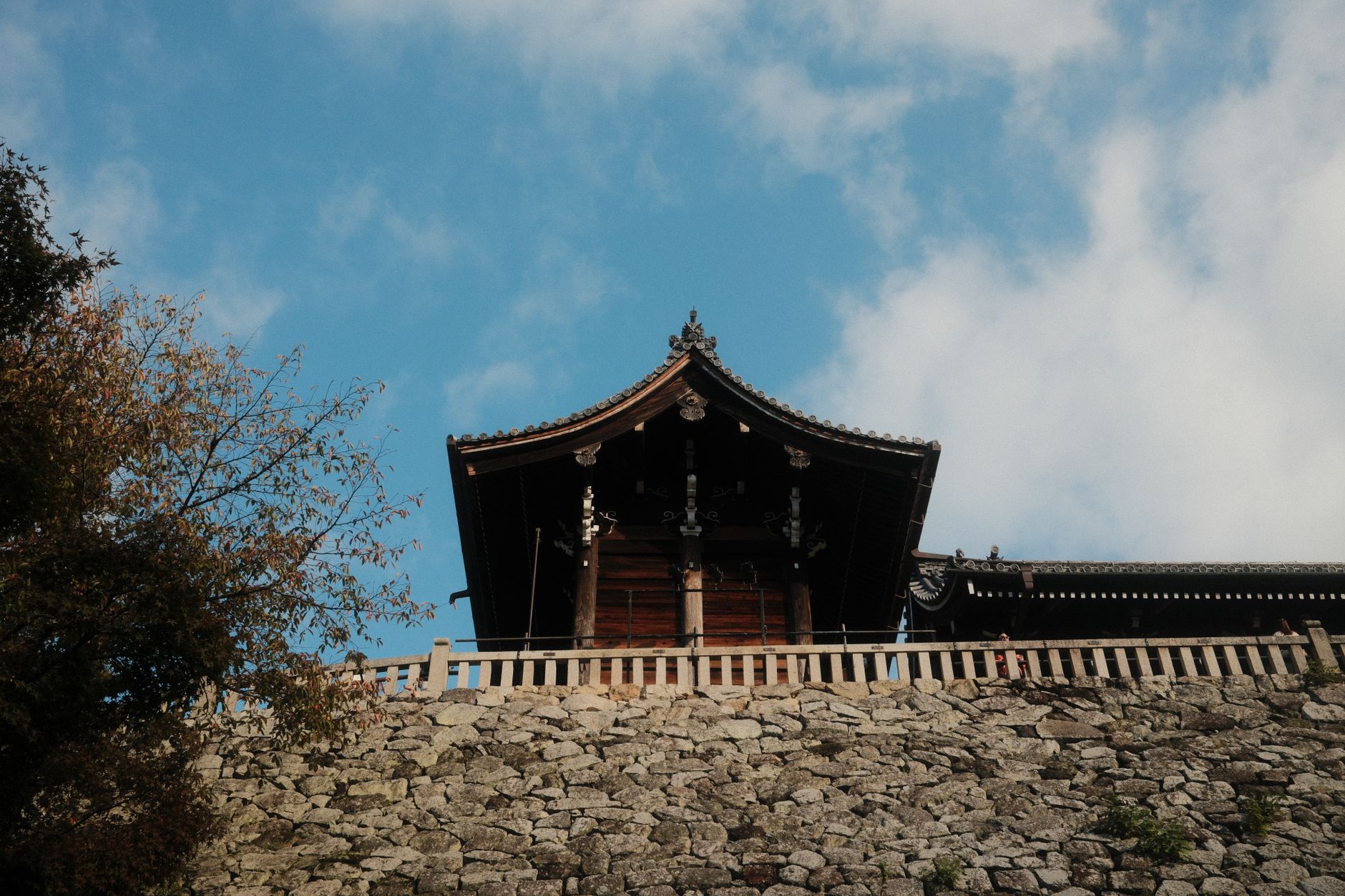
Beyond their aesthetic beauty, Kyoto’s temples are living museums, preserving centuries of art, history, and spiritual practice. They are places of profound peace and reflection, offering an escape from the daily grind and an opportunity to connect with something ancient and enduring. Many temples also boast exquisite gardens that change dramatically with the seasons—cherry blossoms in spring, vibrant greenery in summer, fiery maples in autumn, and a serene, often snow-dusted landscape in winter. Regardless of when you visit, the spiritual energy and visual splendor are undeniable.
✈️ Read more: Top 10 Must-Do Activities in Kyoto temple tour Japan You Can’t Miss
Planning Your Journey: Best Time to Visit & Essential Etiquette* Best Time: Spring (March-May) and Autumn (October-November) are popular for their spectacular cherry blossoms and autumn foliage, respectively. Expect larger crowds during these peak seasons. Summer can be hot and humid, while winter offers a tranquil, often snow-dusted experience with fewer tourists. * Getting Around: Kyoto has an excellent public transportation system, primarily buses and subways. A Kyoto City Bus Pass (available for one or two days) is highly recommended for cost-effective and convenient travel between temple districts. Taxis are also readily available, though more expensive. Consider comfortable walking shoes—you’ll be doing a lot of exploring on foot! * Temple Etiquette: * Dress Code: While there’s no strict dress code, modest attire is respectful, especially for women. Shoulders and knees covered are generally a good idea. * Footwear: You’ll often be asked to remove your shoes before entering temple buildings. Wear shoes that are easy to slip on and off. * Photography: Generally permitted, but always check for signs. Photography is often prohibited inside main halls or where sacred objects are displayed. Be mindful and avoid disturbing others. * Silence: Temples are places of worship and contemplation. Speak softly, turn off your phone, and be respectful of the serene atmosphere.
Must-Visit Icons: Temples That Define Kyoto 1. Fushimi Inari-taisha Shrine (伏見稲荷大社) While technically a Shinto shrine, Fushimi Inari is an absolute must-see and often included in temple tours due to its iconic status and spiritual significance. Famous for its thousands of vermilion torii gates that wind up Mount Inari, it’s a truly mesmerizing experience. Each gate is donated by an individual or company, and walking through them feels like stepping into another dimension. The hike to the summit takes about 2-3 hours round trip, but even walking a portion offers spectacular views and photographic opportunities. Be sure to arrive early in the morning or later in the afternoon to avoid the biggest crowds. 2. Kinkaku-ji (金閣寺) – The Golden Pavilion A UNESCO World Heritage site, Kinkaku-ji is perhaps Kyoto’s most recognizable landmark. This Zen Buddhist temple, formally known as Rokuon-ji, features a stunning three-story pavilion whose top two floors are completely covered in gold leaf. Reflected majestically in the tranquil Kyoko-chi (Mirror Pond), it creates an ethereal sight, especially on a clear day. The surrounding meticulously landscaped gardens are equally beautiful and invite quiet contemplation. While you cannot enter the pavilion, its exterior beauty and the serene grounds are more than enough to captivate. 3. Kiyomizu-dera (清水寺) – Pure Water Temple Perched on a hillside in eastern Kyoto, Kiyomizu-dera offers panoramic views of the city, especially from its famous wooden stage that juts out from the main hall without a single nail. Another UNESCO World Heritage site, this temple is particularly enchanting during cherry blossom season and autumn when the surrounding maple trees explode in color. Visitors can drink from the Otowa Waterfall at the base of the main hall, where three separate streams are said to grant longevity, success in studies, and a fortunate love life (but don’t get greedy, pick only one!). The approach to Kiyomizu-dera, known as Sannenzaka and Ninenzaka, is lined with traditional shops and eateries, perfect for souvenir hunting and sampling local delights. 4. Ryoan-ji (龍安寺) – The Rock Garden For those seeking a profound Zen experience, Ryoan-ji is indispensable. Home to Japan’s most famous rock garden, this UNESCO World Heritage site consists of fifteen stones placed on a bed of white gravel, arranged so that from any vantage point, at least one stone is always hidden from view. The garden is an embodiment of kare-sansui, or dry landscape gardening, designed for meditation and contemplation. Spend some time sitting on the veranda, allowing your mind to quiet and interpret the garden’s mysteries.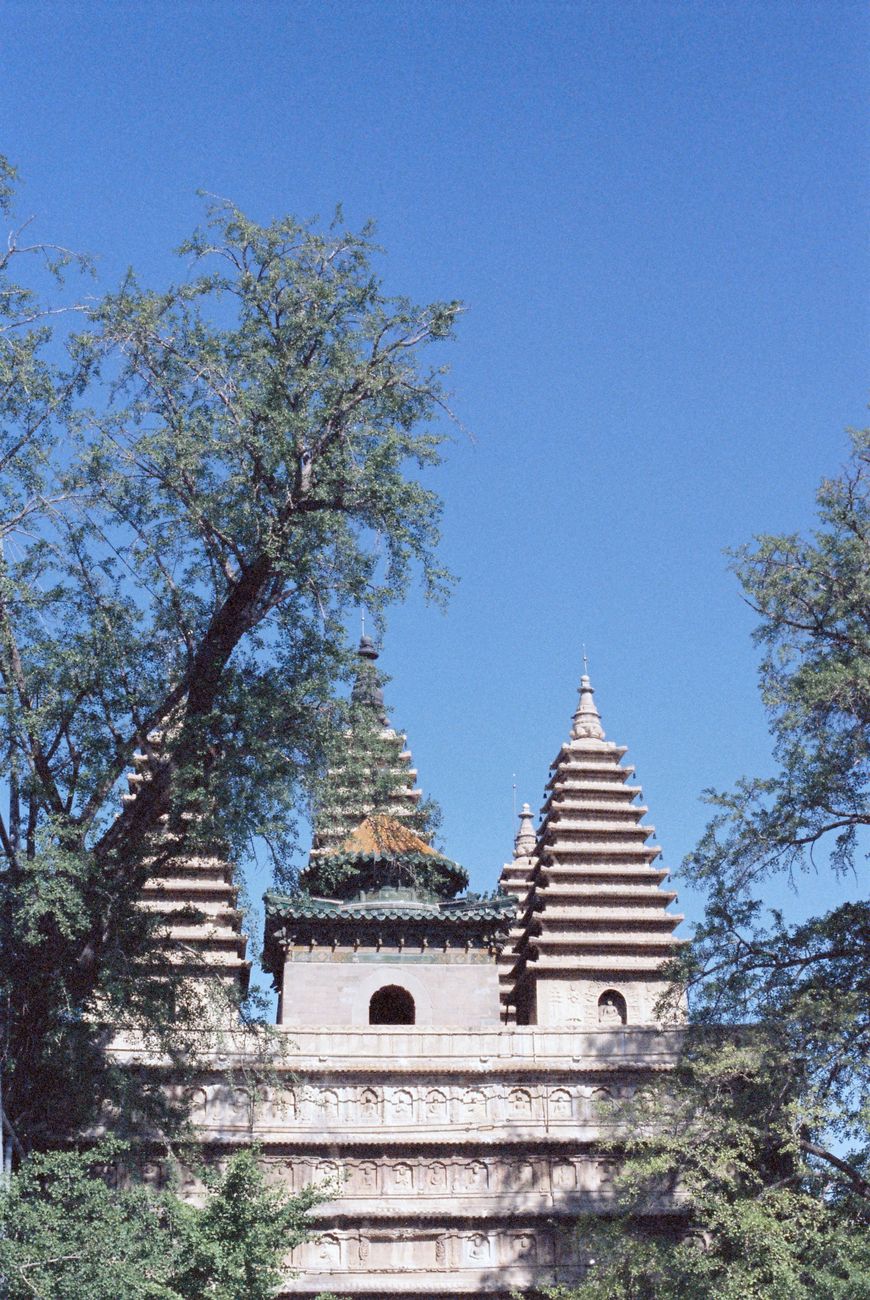
🌟 Recommended: Best Tours in Kyoto temple tour Japan — Check Availability & Latest Prices
5. Ginkaku-ji (銀閣寺) – The Silver Pavilion While not actually covered in silver, Ginkaku-ji, officially Jisho-ji, is Kinkaku-ji’s understated counterpart. This Zen temple offers a different kind of beauty, focusing on subtle aesthetics and natural harmony. Its exquisite dry sand garden, Ginshadan (Sea of Silver Sand), and the conical Kōgetsudai (Moon Viewing Platform) are masterpieces of Japanese landscaping. The moss garden and the winding path through the grounds offer beautiful views and a sense of peaceful retreat. Ginkaku-ji marks the start of the enchanting Philosopher’s Path, a lovely canal-side walk lined with hundreds of cherry trees. 6. Tenryu-ji (天龍寺) and Arashiyama Bamboo Grove Located in the scenic Arashiyama district on Kyoto’s western outskirts, Tenryu-ji is one of Kyoto’s five great Zen temples and another UNESCO site. Its beautiful Sogenchi Teien (Sogen Pond Garden) is a prime example of a traditional Japanese strolling garden, designed to be enjoyed while walking around its central pond. While in Arashiyama, a visit to the iconic Bamboo Grove is essential. Walking through towering stalks of bamboo creates a serene and almost otherworldly experience. Combine this with a visit to the Okochi Sanso Villa for a glimpse into a traditional Japanese estate. Hidden Gems & Local Favorites 7. Nanzen-ji (南禅寺) One of the most important Zen temples in Japan, Nanzen-ji boasts impressive gates, extensive grounds, and several sub-temples. Its massive Sanmon gate, offering stunning views from its balcony, is an excellent example of Zen architecture. Unique to Nanzen-ji is a red brick aqueduct, an unexpected piece of Western engineering dating back to the Meiji era, which adds a fascinating contrast to the traditional surroundings. Don’t miss the beautiful Hojo garden, another exquisite kare-sansui design. 8. Kodai-ji (高台寺) Nestled in the Higashiyama district, near Kiyomizu-dera, Kodai-ji offers a tranquil escape. It’s renowned for its exquisite gardens, particularly its bamboo grove that rivals Arashiyama’s in a more intimate setting, and its beautiful seasonal illuminations during spring and autumn evenings. The temple was established in 1606 in memory of Toyotomi Hideyoshi by his wife Nene, offering a blend of history and natural beauty. Explore the traditional tea houses and the “Spirit House” (Otama-ya) where Hideyoshi and Nene are enshrined. Beyond the Temples: Enriching Your Kyoto ExperienceWhile temples are the main draw, Kyoto offers so much more. After a day of temple hopping, immerse yourself in other cultural experiences:
🗺️ Don’t miss: Explore Kyoto temple tour Japan with the Best Local Guides
* Gion District: Kyoto’s famous geisha district. Take an evening stroll, and you might spot a geiko (Kyoto geisha) or maiko (apprentice geisha) on their way to appointments. * Traditional Crafts: Participate in a tea ceremony, learn ikebana (flower arranging), or try your hand at Japanese calligraphy. Many workshops are available, offering a hands-on cultural experience. * Nishiki Market: Known as “Kyoto’s Kitchen,” this vibrant market is a fantastic place to sample local delicacies, fresh produce, and unique snacks. * Fushimi Sake District: Explore traditional sake breweries and enjoy tastings in this charming canal-lined district. * Kimono Rental: Enhance your cultural immersion by renting a kimono and strolling through the historic streets, especially around Kiyomizu-dera or Gion.
Practical Tips for a Smooth & Enjoyable Tour* Accommodation: Areas like Gion, Higashiyama, and Kyoto Station offer a range of traditional ryokans, modern hotels, and budget-friendly hostels. Booking in advance, especially during peak season, is highly recommended.
Food & Drink: Don’t forget to try Kyoto’s distinct cuisine, known as Kyo-ryori. Many temples have small tea houses where you can enjoy matcha tea and traditional sweets (wagashi*).
* Guided Tours: For a deeper understanding of the history and significance of the temples, consider booking a local guided tour. Experienced guides can provide invaluable insights and help navigate the complexities of Kyoto.
* Travel Insurance: Unexpected situations can arise. Ensure you have comprehensive travel insurance for peace of mind.
* Stay Connected: A portable Wi-Fi device or a local SIM card will keep you connected, helping with navigation and quick information lookups.
* Pace Yourself: Don’t try to cram too much into one day. Choose a few key temples that interest you most and allow ample time to explore and soak in the atmosphere. Kyoto’s charm lies in its details.
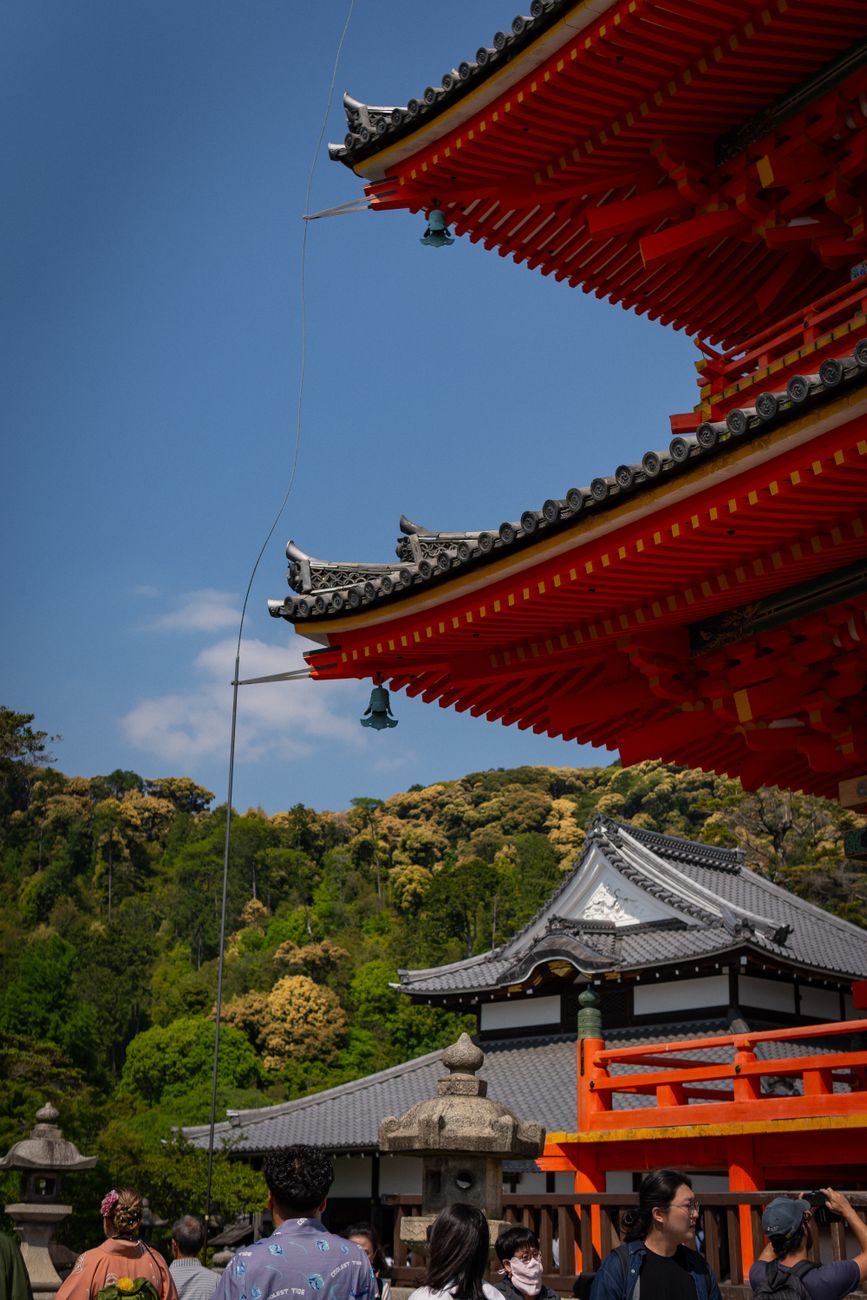
A temple tour in Kyoto is more than just a list of places to see; it’s an immersive dive into a culture rich with spirituality, artistry, and history. Each temple offers a unique window into Japan’s soul, leaving visitors with a sense of peace, wonder, and a deeper appreciation for this remarkable country. Whether you seek the grandeur of golden pavilions, the serenity of Zen gardens, or the endless beauty of torii gates, Kyoto’s spiritual heart beats strong, waiting to enchant you. Start planning your unforgettable journey today and prepare to be captivated by the timeless magic of Kyoto.