Japan’s cherry blossoms are legendary, but catching them requires precise timing. If you’ve ever dreamed of witnessing the ephemeral beauty of sakura without the overwhelming crowds, then Tohoku in late April is your secret weapon. As the rest of Japan waves goodbye to spring’s pink spectacle, the northern region of Tohoku bursts into glorious bloom, offering a final, breathtaking curtain call to hanami season. Imagine historic samurai districts draped in soft petals, majestic castles framed by blushing trees, and tranquil rivers lined with a canopy of pink – all while enjoying cooler temperatures and a more serene atmosphere. This ultimate 3-day itinerary is meticulously crafted to guide you through the very best of Tohoku’s late April cherry blossom treasures, ensuring an unforgettable journey into Japan’s enchanting north.

Why Tohoku for Late April Cherry Blossoms? A Unique Bloom Experience Tohoku, Japan’s northeastern region, offers a distinctly different cherry blossom experience. Due to its cooler climate and higher altitudes, the sakura season here unfolds later than in popular spots like Tokyo or Kyoto. While Tokyo’s blossoms peak in late March or early April, Tohoku typically sees its full bloom from mid-April into early May. This timing makes it an ideal destination for those who missed the earlier blossoms, prefer a less crowded experience, or simply wish to extend their spring adventure. You’ll encounter a stunning variety of cherry trees, from the classic Somei Yoshino to the majestic weeping shidarezakura and vibrant double-flowered yaezakura, ensuring a diverse and visually spectacular display. Beyond the blossoms, Tohoku offers a rich tapestry of history, culture, and natural beauty, making it a truly immersive destination.
Getting There & Getting Around: Your Tohoku Travel Toolkit Navigating Tohoku is surprisingly straightforward, thanks to Japan’s incredible public transportation network.
* By Air: The most convenient entry points for this itinerary are Sendai Airport (SDJ) in Miyagi Prefecture or Akita Airport (AXT) in Akita Prefecture, with connections from major international airports like Tokyo Narita (NRT) or Haneda (HND). Domestic flights are efficient and frequent. * By Shinkansen (Bullet Train): For those arriving from Tokyo, the Tohoku Shinkansen line is your fastest route north. Depending on your starting point for the itinerary, you’ll likely aim for Morioka Station (Iwate), Akita Station (Akita), or Sendai Station (Miyagi). * JR Pass (Japan Rail Pass): For international visitors, a Japan Rail Pass or, more specifically, a JR East Pass (Tohoku Area) is highly recommended. The JR East Pass offers unlimited travel on JR trains, including the Shinkansen, within the designated area for 5 flexible days within a 14-day period. This can lead to significant savings, especially when covering distances between prefectures. Purchase your JR Pass before arriving in Japan for the best rates and convenience. * Rental Car: While public transport is excellent, a rental car offers unparalleled flexibility, especially if you plan to explore more off-the-beaten-path locations or travel with luggage. Rental agencies are available at major train stations and airports. Remember to obtain an International Driving Permit before your trip. Always compare prices through reputable sites like ToCoo! or directly with companies like Nippon Rent-A-Car. * Local Transportation: Within towns, local buses, taxis, or even walking are often the best ways to get around.
Accommodation Tips: Rest & Recharge Amidst the Blooms Tohoku offers a range of accommodation options, from modern hotels in city centers to traditional ryokans (Japanese inns) with hot springs (onsen). * City Hotels: For convenience and access to amenities, consider hotels near major train stations in Morioka, Akita, or Hirosaki. Brands like Dormy Inn, JR East Hotels, or local chains offer comfortable stays. Ryokans: For an authentic Japanese experience, a ryokan stay is a must. Many ryokans in Tohoku boast their own onsen*, perfect for relaxing after a day of exploration. Look for ones in smaller towns or scenic areas near your planned stops. Booking in Advance: Late April is still a popular time for local tourists, so booking your accommodation well in advance (3-6 months, especially for ryokans*) is crucial. Utilize trusted platforms like Booking.com or Agoda to secure the best deals.
✈️ Read more: Top 10 Must-Do Activities in Best 3-day Tohoku itinerary for late April cherry blossoms You Can’t Miss
—
Your Ultimate 3-Day Late April Tohoku Cherry Blossom Itinerary
This itinerary focuses on two of Tohoku’s most iconic and reliably late-blooming cherry blossom destinations: Kakunodate and Hirosaki. It’s designed to be efficient yet immersive, allowing you to soak in the beauty without feeling rushed.
Day 1: Stepping Back in Time – Kakunodate’s Samurai Sakura
🌟 Recommended: Best Tours in Best 3-day Tohoku itinerary for late April cherry blossoms — Check Availability & Latest Prices
* Morning (Arrival & Travel): * Begin your journey by taking the Akita Shinkansen (Komachi train) from Tokyo (approx. 3.5-4 hours) or Sendai (approx. 2 hours) directly to Kakunodate Station. The train ride itself offers picturesque views of the Tohoku countryside. * Upon arrival, drop your luggage at your accommodation. Kakunodate offers charming traditional inns and guesthouses. * Afternoon (Kakunodate Samurai District): Your main destination today is the Kakunodate Samurai District. This beautifully preserved area boasts over 400 shidarezakura* (weeping cherry trees) – many of them over 300 years old – growing within the former samurai residences. * Spend hours wandering the narrow lanes, admiring the ancient homes, some of which are open to the public (e.g., Aoyagi House, Ishiguro House). The contrast of the dark timber walls and the cascading pink blossoms is simply breathtaking. Don’t miss the picturesque streets like Omote-machi and Higashi-machi. Many shidarezakura* here are designated Natural Monuments. * Evening (Hinokinai River Embankment & Local Cuisine): * As dusk approaches, head towards the Hinokinai River Embankment. Here, a spectacular tunnel of approximately 2 km of Somei Yoshino cherry trees creates a stunning contrast with the weeping varieties in the samurai district. The river path is perfect for a leisurely stroll. For dinner, indulge in local Akita cuisine. Try kiritanpo nabe (a hot pot dish with pounded rice sticks), iburigakko* (smoked pickled daikon radish), and fresh seafood. Local restaurants near the station or within the samurai district offer authentic flavors. Consider staying overnight in Kakunodate or a nearby onsen* town like Tazawako for a relaxing end to your day.
Travel Tip: Kakunodate’s samurai district and Hinokinai River are easily walkable from the station, though local buses or taxis are available. Renting a bicycle can also be a delightful way to explore.

Day 2: Castle Majesty & Cherry Blossom Wonderland – Hirosaki
* Morning (Travel to Hirosaki): * After a traditional Japanese breakfast, take a local train or Shinkansen (via Morioka or Shin-Aomori) to Hirosaki Station in Aomori Prefecture. This journey will take approximately 2-3 hours, depending on connections. * Check into your hotel in Hirosaki. Hirosaki City has various hotel options, including comfortable business hotels. * Afternoon (Hirosaki Castle Park): * Today is dedicated to Hirosaki Castle Park, widely considered one of Japan’s top three cherry blossom viewing spots, and arguably the best for late April blooms. This sprawling park, home to the beautifully reconstructed Hirosaki Castle keep, transforms into a pink wonderland with over 2,600 cherry trees of 52 different varieties. * Key highlights include: * Hirosaki Castle Keep: Enjoy the views of the castle against a backdrop of cherry blossoms. * Sakura Tunnel: A breathtaking archway of densely packed cherry trees, perfect for photos. West Moat: Rent a rowboat and paddle amidst the “flower rafts” (hanamizakura*) formed by fallen petals covering the water. It’s a truly magical experience. * Botanical Garden: Explore the diverse collection of cherry trees and other flora. * Otemon Gate & East Gate: Iconic entry points offering stunning vistas. Allow ample time (at least 4-5 hours) to explore the park thoroughly. There are food stalls (yatai*) offering local snacks and drinks. * Evening (Night Illuminations & Aomori Delicacies): * As evening falls, Hirosaki Castle Park undergoes another transformation with its famous night illuminations. The illuminated castle and cherry trees create an ethereal atmosphere, different from the daytime beauty. It’s a must-see! For dinner, indulge in Aomori’s culinary delights. Aomori is famous for its fresh seafood, especially tuna and scallops, and local apples. Try kaiyaki miso (scallop miso gratin) or jagaimo no miso-kake* (potatoes with miso). * Explore the lively streets around Hirosaki Station for various dining options.
Travel Tip: From Hirosaki Station, local buses frequently run to Hirosaki Castle Park (approx. 15 minutes). Taxis are also readily available. Wear comfortable walking shoes, as you’ll be doing a lot of exploring.
Day 3: Farewell Blooms or Northern Exploration – Hirosaki to Departure
* Morning (Last Sakura Views or Local Culture): * Depending on your departure schedule, you have a few options: * Option A (Last Sakura Fix): Revisit a favorite spot in Hirosaki Castle Park for one last look at the blossoms, perhaps enjoying a quiet morning stroll before the crowds arrive. * Option B (Cultural Immersion): Explore other Hirosaki attractions like the Neputa Mura Folk Village to learn about the famous Hirosaki Neputa Festival and local crafts, or visit the Fujita Memorial Garden for its beautiful Japanese landscape design. * Option C (Extend North): If time permits and you’re not rushing for a flight, consider a short trip to Aomori City (approx. 40 mins by train) to see the Nebuta Museum Wa Rasse or the Aomori Museum of Art. However, for a 3-day trip focused on blossoms, sticking to Hirosaki is usually best. * Afternoon (Departure): * Make your way back to Hirosaki Station. * Take the train to a major Shinkansen hub like Shin-Aomori, Morioka, or Sendai, for your onward journey back to Tokyo or another destination, or to connect to an airport for your flight home. * Allow ample time for travel, especially if connecting to an international flight.
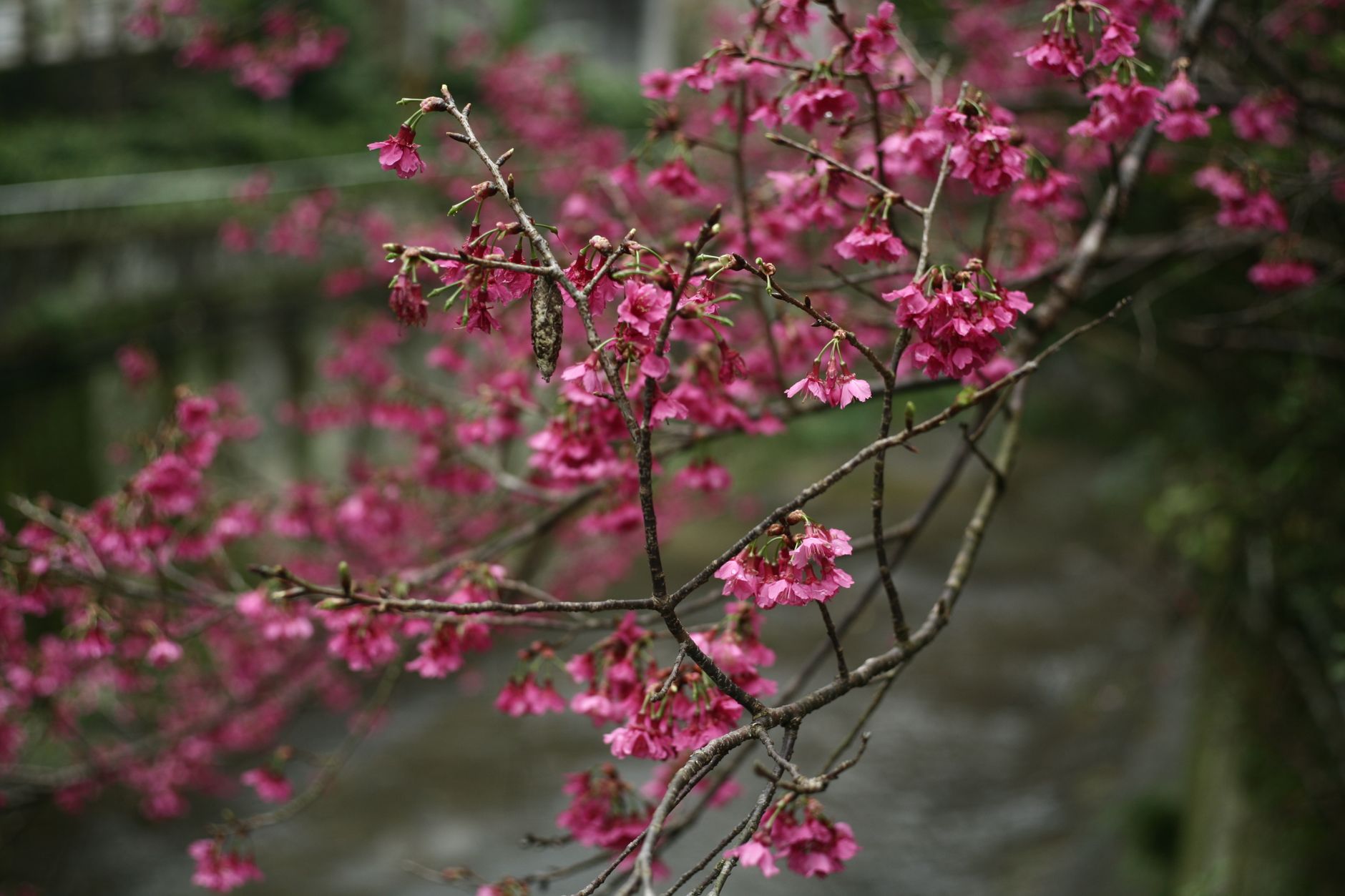
Tohoku’s Culinary Delights: Beyond the Blossoms No trip to Tohoku is complete without savoring its unique regional cuisine. Akita: Besides kiritanpo nabe and iburigakko, try hatahata* (sandfish), a local delicacy, and the region’s excellent sake. * Aomori: Famous for its juicy, sweet apples (often called Japan’s best!). Don’t miss apple juice, apple pie, and other apple-infused treats. Also, fresh seafood, particularly scallops and tuna, is exceptional. Morioka (Iwate): If passing through, try Morioka’s “Three Great Noodles”: Reimen (cold noodle soup), Jajamen (miso meat sauce noodles), and Wanko Soba* (all-you-can-eat soba).
🎯 Editor’s pick: Best-Rated Best 3-day Tohoku itinerary for late April cherry blossoms Tours in 2025 — Reviewed by Thousands of Travelers
Packing Essentials for Late April in Tohoku Late April in Tohoku can be quite variable in terms of weather. * Layers are Key: Temperatures can range from cool mornings/evenings (5-10°C / 40-50°F) to mild afternoons (15-20°C / 60-70°F). Pack sweaters, light jackets, and long-sleeved shirts. * Comfortable Walking Shoes: You’ll be doing a lot of walking in parks and historic districts. * Rain Gear: A compact umbrella or light rain jacket is always a good idea. * Portable Charger: For your phone/camera – you’ll be taking countless photos! * Travel Adapter & Wi-Fi: Ensure you have the correct adapter for Japan (Type A/B) and consider a portable Wi-Fi device or a local SIM card for constant connectivity. * Reusable Water Bottle: Stay hydrated and reduce plastic waste.
Final Tips for a Seamless Tohoku Cherry Blossom Journey * Book Early: Especially if traveling during Golden Week (late April/early May), accommodation and Shinkansen tickets can sell out. * Flexibility: While this itinerary is optimized, be open to slight changes based on weather or local bloom conditions. * Respect Local Customs: Learn a few basic Japanese phrases, carry cash, and be mindful of local etiquette. * Travel Insurance: Always a wise investment for international travel.
Conclusion Tohoku in late April offers a truly enchanting and less-trodden path to experiencing Japan’s iconic cherry blossoms. This 3-day itinerary, taking you from the ancient samurai streets of Kakunodate to the magnificent castle grounds of Hirosaki, promises a visual feast and cultural immersion that few other times or places can offer. Embrace the cooler air, the gentle fall of petals, and the unique charm of Japan’s northern gem. So pack your bags, prepare your camera, and get ready to chase the magic of sakura one last time in the breathtaking region of Tohoku!