Kyoto, the ancient capital of Japan, holds a timeless allure, but it truly transforms into a living dreamscape during the cherry blossom season. While many flock to witness the delicate pink blossoms in full bloom, there’s an even more ethereal spectacle that captivates photographers and romantics alike: *Sakura Fubuki*. Meaning “cherry blossom blizzard,” this magical phenomenon occurs when the delicate petals, having reached their peak, begin to fall like gentle snow, creating a breathtaking, fleeting moment of beauty.
Imagine walking along a historic canal, the air filled with swirling pink confetti, carried by a soft breeze, eventually settling on the water’s surface to form a vibrant carpet. This isn’t just a sight; it’s an experience that engages all senses, a poignant reminder of nature’s beauty and impermanence. For photographers, Sakura Fubuki offers unparalleled opportunities to capture truly unique and emotional images, encapsulating the very essence of *mono no aware* – the poignant beauty of transient things.
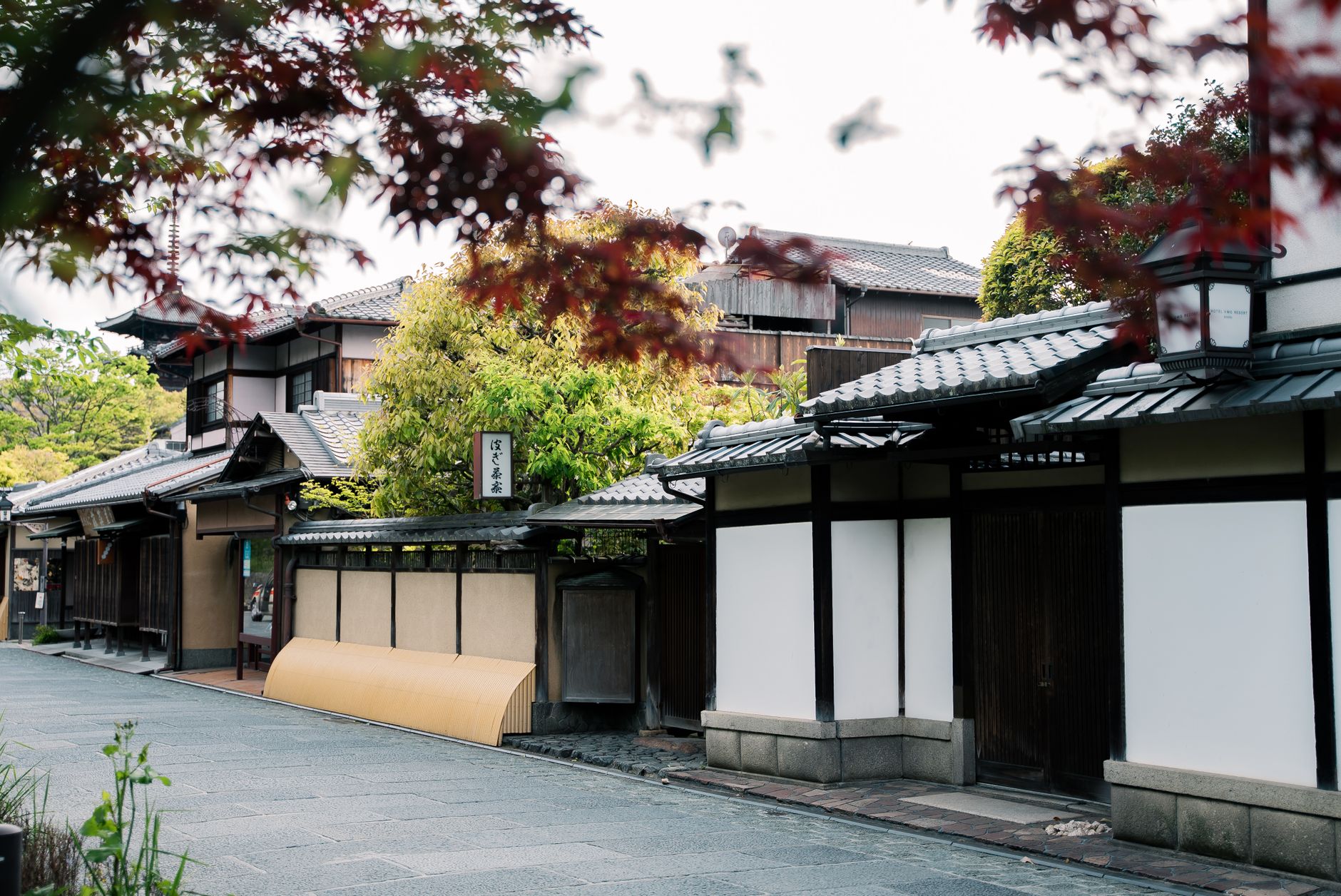
But where exactly in Kyoto can one best witness and photograph this breathtaking spectacle? While cherry blossoms are ubiquitous across the city, capturing the perfect Sakura Fubuki shot requires a keen eye for location, timing, and a bit of luck. This comprehensive guide will lead you through Kyoto’s most enchanting spots, offering insights and tips to help you immortalize the ephemeral ballet of falling cherry petals.
**Understanding Sakura Fubuki: A Photographer’s Dream**
Sakura Fubuki isn’t just random falling petals; it’s the culmination of the cherry blossom season, often occurring a few days to a week after peak bloom, triggered by gentle winds or rain. The sheer volume of petals creates a visual effect akin to snow, blanketing streets, rivers, and temple grounds in a soft, pink hue. From a photographic perspective, it offers dynamic movement, vibrant color, and an almost melancholic beauty that is incredibly compelling. To capture this, consider shutter speed for motion blur versus freezing the petals, aperture for depth of field, and composition to tell a story.
**Essential Photography Tips for Sakura Fubuki**
Before we dive into specific locations, here are some general tips to maximize your chances of capturing stunning Sakura Fubuki photos:
1. **Timing is Everything:** Sakura Fubuki typically happens in the late stages of the cherry blossom season, often in mid-April in Kyoto. Keep an eye on local forecasts and blossom reports. A gentle breeze or light rain can enhance the effect significantly. 2. **Go Early (or Late):** Like most popular spots in Kyoto, crowds are a major challenge. Arrive at dawn for the softest light and fewer people. Blue hour (just before sunrise) or golden hour (just after sunrise/before sunset) offer magical lighting conditions. 3. **Vary Your Lenses:** A wide-angle lens is great for capturing the scale of the landscape and the vastness of falling petals. A telephoto lens can isolate specific falling petals or create stunning compressed backgrounds. A macro lens can capture the intricate details of individual petals. 4. **Tripod vs. Handheld:** For capturing motion blur of falling petals, a tripod allows for slower shutter speeds. However, for freezing the action or dynamic shots, a fast shutter speed handheld might be more suitable. Practice both! 5. **Look for Contrast:** The pink petals contrast beautifully against traditional Japanese architecture, dark temple roofs, green moss, or flowing water. Use these elements to add depth and interest to your compositions. 6. **Patience and Observation:** Sakura Fubuki is unpredictable. Be patient, observe how the petals fall, and anticipate the moments of “blizzard.” Sometimes the best shots come from simply waiting for the perfect gust of wind. 7. **Respect the Environment:** Kyoto is sacred. Be mindful of others, avoid blocking pathways, and never disturb the natural environment.
**Kyoto’s Premier Spots for Capturing Sakura Fubuki**
Now, let’s explore the locations where you can best experience and photograph this fleeting wonder.
**1. The Philosopher’s Path (Tetsugaku no Michi)** Perhaps the most iconic spot for cherry blossoms in Kyoto, the Philosopher’s Path truly shines during Sakura Fubuki. This stone path, following a canal lined with hundreds of cherry trees, becomes a tunnel of falling petals. The petals drift onto the water, forming exquisite pink carpets that slowly float downstream. * **Photography Tip:** Focus on the reflections of the petals on the water, or use a slow shutter speed to capture the streaky motion of the falling blossoms. Early morning is crucial here to avoid crowds and get soft, even light. A polarizing filter can reduce glare on the water, enhancing color saturation.
**2. Arashiyama (Togetsukyo Bridge & Hozugawa River)** While famous for its bamboo grove, Arashiyama offers breathtaking Sakura Fubuki views, especially around the Togetsukyo Bridge and the Hozugawa River. The mountain backdrop, combined with the river’s flow, provides a dramatic setting for falling petals. * **Photography Tip:** Position yourself on or near the bridge to capture the wide expanse of blossoms falling onto the river. Consider renting a small rowboat on the river for a unique perspective looking up at the falling petals with the bridge in the background. The interaction of the water, mountains, and petals creates a stunning landscape shot.
**3. Maruyama Park** Home to Kyoto’s largest and most famous weeping cherry tree (Shidarezakura), Maruyama Park is a vibrant hub during cherry blossom season. When this majestic tree starts to shed its petals, the ground beneath becomes a beautiful, ephemeral carpet. * **Photography Tip:** While the tree itself is magnificent, also look for the surrounding areas where petals accumulate. Capture close-ups of petals on the ground, or use the park’s traditional lanterns and tea houses as background elements. Night photography here can be magical as the tree is lit up, with petals caught in the glow.
**4. Gion Shirakawa Area** For a truly quintessential Kyoto experience, the Shirakawa Canal in Gion, with its historic wooden teahouses and traditional stone bridges, offers an incredibly picturesque setting for Sakura Fubuki. The gentle flow of the canal and the traditional architecture create an atmospheric backdrop. * **Photography Tip:** Frame your shots to include the traditional buildings and bridges, using the falling petals to add a layer of ephemeral beauty. Look for reflections in the canal or close-ups of petals resting on the traditional lattice windows. This area is particularly enchanting just before sunset or at night when the lanterns cast a soft glow.
**5. Heian Jingu Shrine** The vast grounds of Heian Jingu Shrine, with its striking vermilion architecture and expansive gardens, host numerous weeping cherry trees. When these trees shed their petals, the scene is nothing short of majestic. * **Photography Tip:** The vibrant red of the shrine provides a stunning contrast to the delicate pink petals. Look for compositions that highlight this color play. The large open spaces allow for wide-angle shots to capture the full grandeur of the falling blossoms. Don’t forget to explore the inner garden for more intimate shots.
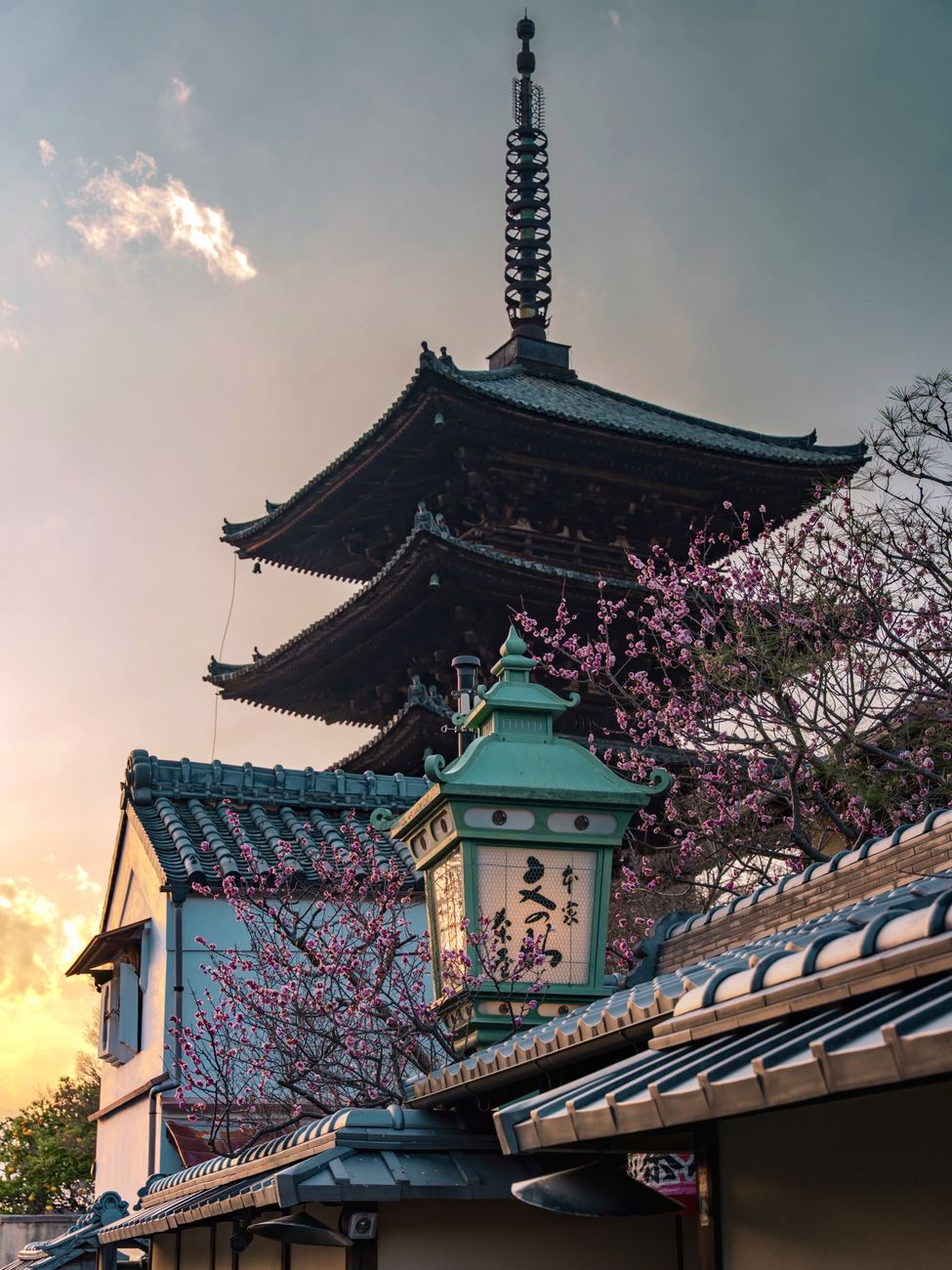
**6. Kiyomizu-dera Temple (from afar)** While the temple grounds themselves can be very crowded, the approach to Kiyomizu-dera and views *from* the temple’s iconic wooden stage are fantastic. However, for Sakura Fubuki, consider the panoramic view *of* Kiyomizu-dera from a distance, such as from the pagoda at Yasaka Shrine or from certain vantage points in Higashiyama. This allows you to capture the entire hillside covered in blossoms, with petals potentially swirling around the historic structures. * **Photography Tip:** A telephoto lens is essential here to compress the scene and highlight the temple amidst the pink haze. Look for compositions that include the city backdrop, offering a sense of scale to the “blizzard.”
**7. Daigo-ji Temple** A UNESCO World Heritage site, Daigo-ji Temple boasts an incredible variety of cherry trees, making it a spectacular location for *hanami* (flower viewing) and especially for Sakura Fubuki. The complex’s traditional gardens, ponds, and pagodas provide endless photographic opportunities. * **Photography Tip:** Explore the Benten-do Hall and its surrounding pond, where falling petals create stunning reflections and carpets on the water. The contrast of the vibrant red bridge and the pink petals is particularly photogenic. This is another spot where patience and exploring different angles will reward you.
**8. Kamogawa River (Kamo River)** The banks of the Kamogawa River, stretching through the heart of Kyoto, are lined with cherry trees. As the petals fall, they dance on the breeze before settling on the river’s surface or washing up on the banks. * **Photography Tip:** Capture the expansive nature of the river with the mountains in the background. Look for ducks or birds interacting with the floating petals. The Kamogawa offers a more natural, less structured environment for photography, allowing for candid shots of locals enjoying the fleeting beauty.
**9. Nijo Castle** A UNESCO World Heritage site, Nijo Castle’s extensive grounds feature over 400 cherry trees of various species. The outer moats and inner gardens, with their meticulous landscaping, provide a grand setting for Sakura Fubuki. * **Photography Tip:** The contrast between the castle’s imposing stone walls and the delicate pink petals is striking. Look for compositions that include the historic gates or the Ninomaru Palace as a backdrop. The castle’s traditional architecture provides a unique context for the transient beauty of the falling blossoms.

**Practical Tips for Your Kyoto Sakura Fubuki Photography Trip**
* **Book Accommodation Early:** Kyoto during cherry blossom season is incredibly popular. **[Affiliate Link for Hotels – e.g., Booking.com/Agoda]** Secure your lodging months in advance. Consider staying near public transport hubs like Kyoto Station or in areas like Gion or Higashiyama for easy access to photo spots. * **Transportation:** Kyoto has an excellent bus and subway system. Consider a Kyoto City Bus & Subway Pass for convenience. For longer distances or a more private experience, taxis are available. For those planning to visit multiple cities in Japan, a Japan Rail Pass **[Affiliate Link for JR Pass – e.g., Klook/JRPass.com]** might be a worthwhile investment. * **Stay Connected:** A pocket Wi-Fi device or a local SIM card **[Affiliate Link for Wi-Fi/SIM – e.g., Klook]** is essential for navigation, checking blossom forecasts, and sharing your stunning photos instantly. * **Comfortable Footwear:** You’ll be doing a lot of walking! Comfortable shoes are non-negotiable. * **Portable Charger:** Your camera and phone batteries will drain quickly with all the photo taking. A high-capacity portable charger is a lifesaver. **[Affiliate Link for Power Banks – e.g., Amazon]** * **Consider a Photography Tour:** If you’re new to Kyoto or want expert guidance, a local photography tour **[Affiliate Link for Tours – e.g., Viator/GetYourGuide]** can lead you to hidden gems and provide valuable tips. * **Travel Insurance:** Unexpected events can happen. Protect your trip and your gear with comprehensive travel insurance. **[Affiliate Link for Travel Insurance – e.g., World Nomads]** * **Local Etiquette:** Always be respectful. Do not litter, avoid loud conversations in quiet temple grounds, and ask permission before photographing people.
**Embrace the Ephemeral Beauty**
Sakura Fubuki in Kyoto is more than just a photographic opportunity; it’s a profound cultural experience, a living poem that reminds us of the fleeting nature of beauty and life itself. Each falling petal carries with it centuries of history and tradition. While capturing the perfect shot is rewarding, don’t forget to put down your camera for a moment, breathe in the cool spring air, and simply be present in the midst of this breathtaking “cherry blossom blizzard.” It’s an experience that will stay with you long after the last petal has fallen. So pack your gear, plan your trip, and prepare to be utterly enchanted by Kyoto’s most magical and ephemeral ballet.